Lionel Barber Quotes
In hindsight, Watergate was a curse as well as a blessing for American journalism. The courageous reporting of the 'Post' and the 'New York Times' - coupled with the favourable Supreme Court rulings on publication of the Pentagon Papers - were landmarks for the interpretation of First Amendment rights and the freedom of the press.
Barber, Lionel. "The Business of Journalism." Hugh Cudlipp Lecture. London College of Communication, London, 3 Mar. 2014.


There has been a constant conflict between the government and the press regarding the right of a journalist to refuse to disclose his/her sources for a story or to reveal his/her notes or outtakes. Reporters would sometimes be subpoenaed and if they refused to testify or disclose the subpoenaed information, they could be held in contempt of court and fined, jailed or both. However, one of the major reasons reporters have been able to get information on the malfeasance and incompetence of government is that leakers and whistleblowers have been willing to provide information to the press is that they are confident that the press will not disclose the source. The courts have ruled that journalists have no special rights regarding subpoenas, so the outcome of the conflict depends on the political decision of the administration. For the 2nd Obama administration, this has his announcement that the Justice Department would not jail reporters who ignored subpoenas. However many proponents of a free press, do not want to depend on the decision of the Attorney General in office and want Congress to pass a Shield Law for journalists.


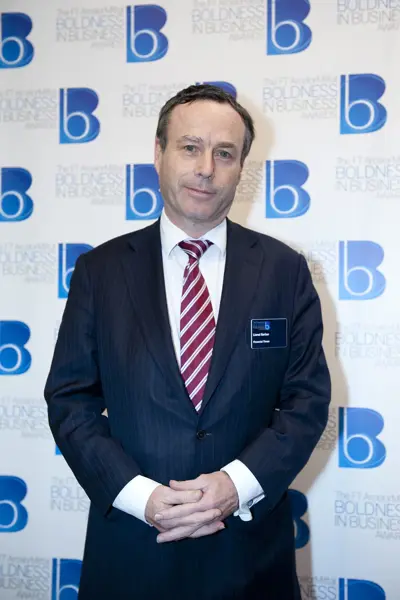
Lionel Barber is an English journalist. He served as editor of the Financial Times (FT) from 2005 to 2020.
