August Wilson Quotes
Scripts were rather scarce in 1968. We did a lot of Amiri Baraka's plays, the agitprop stuff he was writing. It was at a time when black student organizations were active on the campuses, so we were invited to the colleges around Pittsburgh and Ohio, and even as far away as Jackson, Mississippi.
Wilson, August. Interview by Bonnie Lyons and George Plimpton. "August Wilson, The Art of Theater No. 14." The Paris Review, no. 153, Winter 1999.


Jackson was a civil rights worker who was murdered by white racists trying to intimidate Blacks from their desegregation efforts. King broadened the moral responsibility to those who did not oppose the segregationist system prevalent in the South.

Kennedy was initially very opposed to a civil rights march on Washington and seemed very annoyed to the Blacks in attended. But when faced with the reality of the fact that the March was going to take place and he could not prevent it, he turned around and did everything he could do to protect the marchers and enable the historic event.

She was the first Black woman to be elected to Congress and was the first Black woman to actively campaign for the Presidency


There was a large contingent of whites who showed up—many invited and expected and many who came on their own.

Hypertrophy means: exaggerated or unnecessary growth or complexity

On the possibility of Jesse Jackson running for mayor of Washington DC with little administrative experience:


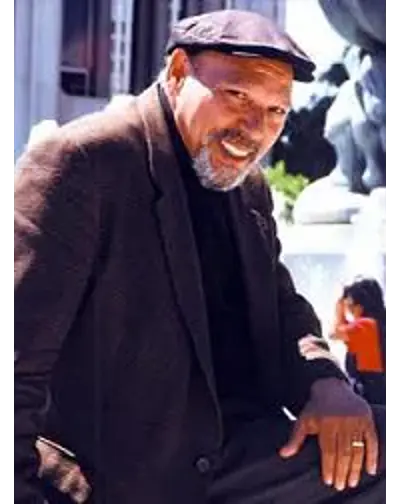
August Wilson (April 27, 1945 – October 2, 2005) was an American playwright. He has been referred to as the "theater's poet of Black America". He is best known for a series of ten plays collectively called The Pittsburgh Cycle, which chronicle the experiences and heritage of the African-American community in the 20th century. Plays in the series include, Jitney (1982), Fences (1984), Ma Rainey's Black Bottom (1984), Joe Turner's Come and Gone (1986), The Piano Lesson (1987), King Hedley II (1999). Two of his plays received the Pulitzer Prize for Drama, and two of his other works won the Tony Award for Best Play. In 2006 Wilson was inducted into the American Theater Hall of Fame.
