Mario Vargas Llosa Quotes
Sartre said that wars were acts and that, with literature, you could produce changes in history. Now, I don't think literature doesn't produce changes, but I think the social and political effect of literature is much less controllable than I thought.
Vargas Llosa, Mario. Interview by Susannah Hunnewell. The Paris Review, no. 120, Fall 1990.


This was not exactly a complement. Adams was outraged by Paine’s overt and public atheism and anti religious statements. (See {623040}.) Others of the founding fathers were also atheists but Paine wrote publicly and actively tried to persuade people of his religious position. Adams was particularly concerned because Paine was not just one of the great leaders of the American Revolution. His was the most recognized name, and a huge percentage of the American population had read his Common Sense. He was the person who was most persuasive with the mass of Americans to revolt—more so than Jefferson, Washington, Madison, Franklin or any of the other great men of the time. Because Paine was so influential, Adams thought that he should be more passive in shaking the religious faith of so many others. Actually, it was Paine’s overt atheism that has tended to diminish his influence and status given by historians throughout the ages. It also caused him some difficulty in America after the Revolution and moreso in England.


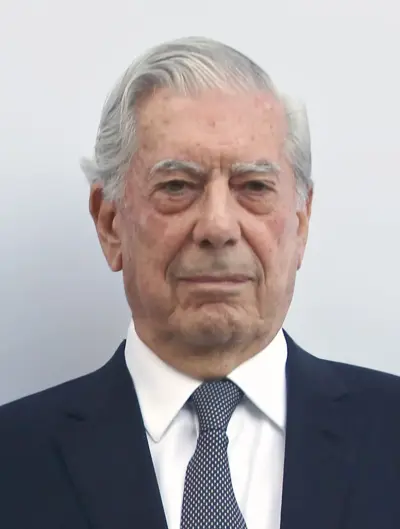
Jorge Mario Pedro Vargas Llosa, 1st Marquis of Vargas Llosa, more commonly known as Mario Vargas Llosa (/ˈvɑːrɡəs ˈjoʊsə/; Spanish: [ˈmaɾjo ˈbaɾɣas ˈʎosa]), is a Peruvian writer, journalist, essayist, college professor, and a former politician. Vargas Llosa is one of Latin America's most significant novelists and essayists, and one of the leading writers of his generation. Some critics consider him to have had a larger international impact and worldwide audience than any other writer of the Latin American Boom. In 2010 he won the Nobel Prize in Literature, "for his cartography of structures of power and his trenchant images of the individual's resistance, revolt, and defeat."
