Julius Evola Quotes
Prior to the advent of the civilization of the Third Estate (mercantilism, capitalism), the social ethics that was religiously sanctioned in the West consisted in realizing one’s being and in achieving one’s own perfection within the fixed parameters that one’s individual nature and the group to which one belonged clearly defined. Economic activity, work, and profit were justified only in the measure in which they were necessary for sustenance and to ensure the dignity of an existence conformed to one’s own estate, without the lower instinct of self-interest or profit coming first.
Evola, Julius. Men Among the Ruins: Post-War Reflections of a Radical Traditionalist. Translated by Guido Stucco, Inner Traditions, 2002, p. 166.


Friedman was commenting in particular about Egypt and other Arab societies.

This quotation was used in posters and handbills by La Follette and the Progressives to attack Coolidge in the 1924 presidential campaign.


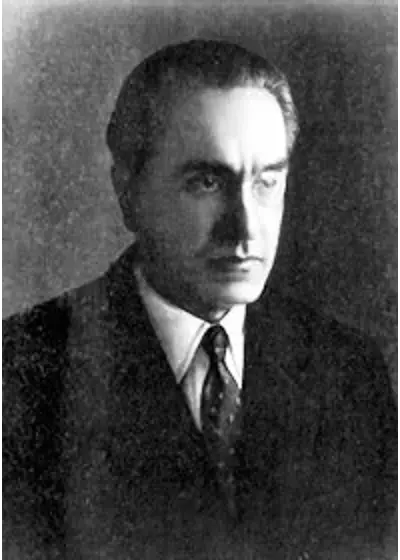
Giulio Cesare Andrea Evola, better known as Julius Evola (/ˈdʒuljəs ɛˈvoʊlə/), was an Italian philosopher, painter, and esotericist. Evola regarded his perspectives and spiritual values as aristocratic, masculine, traditionalist, heroic and defiantly reactionary.
