B. R. Ambedkar Quotes
People are not wrong in observing Caste. In my view, what is wrong is their religion, which has inculcated this notion of Caste. If this is correct, then obviously the enemy, you must grapple with is not the people who observe Caste, but the Shastras which teach them this religion of Caste.
Ambedkar, B. R. Annihilation of Caste. 1936. Dr. Babasaheb Ambedkar: Writings and Speeches, Vol. 1, Education Department, Government of Maharashtra, 1979, p. 68.


His quotations are very important because he wrote many of the Islamic legal opinions that governed Muslim Spain and influenced the Arabs of North Africa. This is yet another example of the classic antipathy that many Muslims have for People of the Book—Christians and Jews.

Paz was the Ambassador to India
Paz was the Ambassador to India. The caste system in India was outlawed by the Indian Constitution, and the government has made many effort at affirmative action to eliminate it put as Paz observed it is so ingrained in Indian tradition, culture and religion that it continues to persist.


The traditional Hindu social structure established castes – levels of society with Brahmins at the top and untouchables at the bottom. When India gained independence, the caste system was made illegal. Nonetheless, it is still followed by hundreds of millions of Indians. Religiously the Buddhists and the Hindus have had different philosophies. Ilaiah is a Buddhist who opposes the traditional Brahmin social structure and is a supporter of “Dalitization” – a change in the Indian culture to make the Dalits (untouchables) equal de juro and de facto.

Manava Dharma Shastra. This text is a part of the Hindu Holy Texts. Hindus believe that Manu was a prophet whose text is revealed or inspired.
Manava Dharma Shastra. The Hindus believe in reincarnation and that the souls of animals move up the ladder and if they are good are eventually born as humans (Sudras). These are the lowest caste in this terribly discriminatory system—the “untouchables.” But if a Sudra lives a pious life and accepts his lot, he is reincarnated as a higher cast human (twice born). This law illustrates the incredible discrimination that the cast system produced. In modern India, the caste system is illegal and there is no discrimination in law or by government. However it is still terribly evident in social life, marriage, employment and most phases of Indian society. This text is a part of the Hindu Holy Texts. Hindus believe that Manu was a prophet whose text is revealed or inspired.

Chesterton preceded by almost half a century much of the intellectual dispute of the War on Poverty of the 1960’s where much of the middle and upper class tried to change a variety of behavior patterns and customs and values of the poor.
Two hundred years earlier, in Spain, the Christians had similar laws discriminating against Jews whose synagogues had to be smaller and shorter than any Christian church.

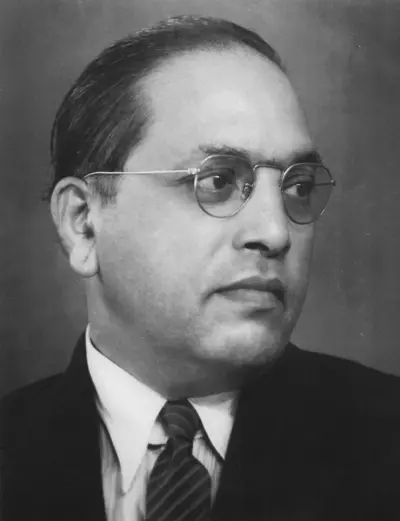
Bhimrao Ramji Ambedkar, also known as Babasaheb Ambedkar ([bʌbəsɑheb ɑmbɛdkɑə]), was an Indian jurist, economist, politician and social reformer, who inspired the Dalit Buddhist movement and campaigned against social discrimination towards the untouchables (Dalits). He was British India's Minister of Labour in Viceroy's Executive Council, Chairman of the Constituent Drafting committee, independent India's first Minister of Law and Justice, and considered the chief architect of the Constitution of India.
