Robert Toombs Quotes
Peace and commerce with foreign nations could be more effectually and cheaply cultivated by a common agent; therefore they gave the Federal Government the sole management of our relations with foreign governments.
Toombs, Robert. Speech of Hon. Robert Toombs, Delivered in Milledgeville, on Tuesday Evening, November 13, 1860, Before the Legislature of Georgia. Boughton, Nisbet & Barnes, State Printers, 1860.


The basic treaty sold some of Ethiopia’s colonial territory (Eritrea and Tigray) to Italy in exchange for arms. Italy had tried to conquer the area but lost 500 men in the Battle of Dogali. However, after this peace treaty, Italy maintained that Article 17 of the treaty gave them the right to declare Ethiopia an Italian Protectorate which they did. However, there were two different versions of the treaty that the Italians had drawn up—one in Italian, the other in Aramaic. Britain, Belgium and Germany supported Italy; France, Turkey and Russia supported Ethiopia. Menelik then, to make matters clear, repudiated the treaty in 1893. Italy send an invasion force that was soundly thrashed by the Ethiopians setting the stage for the Italian attack on Ethiopia in World War II years later. Parties to International treaties thereafter have paid close attention to the different language versions.


The English were at War with Napoleon and Denmark was neutral. British leaders feared that Denmark might either ally themselves with Napoleon or provide him with ships from their well equipped fleet. The English decided on a preemptive attack on Denmark and military forces were ordered to Denmark. When they arrived, they were ordered to bombard Copenhagen and force the Danes to surrender. When this happened, the British seized the Danish ships and simply took them as war prizes. The issues of the morality and wisdom of preemptive attacks, as with the Americans in the Iraq war, was thoroughly debated but the government view prevailed to the shame of most Englishmen.
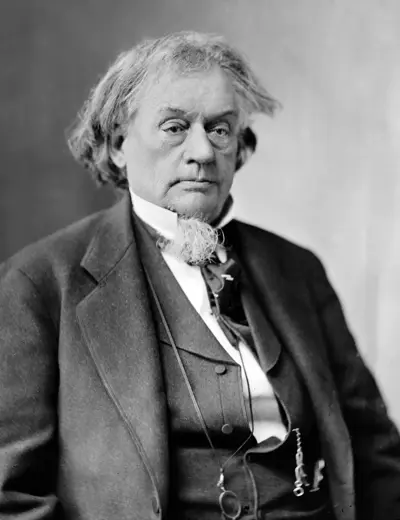
Robert Augustus Toombs was an American lawyer, planter, and national politician from Georgia who became one of the organizers of the Confederacy and served as its first Secretary of State under President Jefferson Davis. He also served in the Confederate States Army, but later became one of Davis' critics. After the Confederate defeat, Toombs fled the United States. He did not return until 1867, after his daughter's death. He regained political power in Georgia as Congressional Reconstruction ended in 1877.
