Gabriel Garcia Marquez Quotes
Over the weekend the vultures got into the presidential palace by pecking through the screens on the balcony windows and the flapping of their wings stirred up the stagnant time inside, and at dawn on Monday the city awoke out of its lethargy of centuries with the warm, soft breeze of a great man dead and rotting grandeur.
García Márquez, Gabriel. The Autumn of the Patriarch. Translated by Gregory Rabassa, Harper & Row, 1976, p. 1.


The reference is to the recently-passed Fugitive Slave Law, which many New Englanders, including Emerson, detested and vowed not to uphold.


Later scholars have frequently used the “war of all against all” to describe international and free market economics, evolution, the UN and many other facets of society.


Thomas Jefferson used this quotation on several occasions.


Federal Authorities arrived with press officers and a bevy of reporters and issued statements to the press while there were thousands of people in dire straits with many of them dying with no food, medical care or relocation from flooding water.

We have come to Paris He had come to Paris with his pupil Wilhelm von Humboldt to personally witness what he regarded as a great event in the history of mankind.
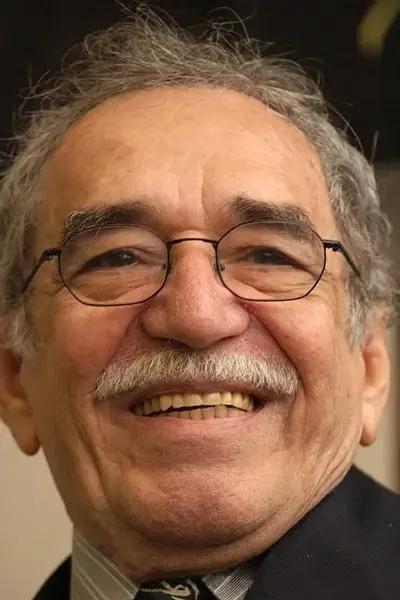
Gabriel García Márquez was a Colombian novelist, short-story writer, screenwriter, and journalist, known affectionately as Gabo [ˈɡaβo] or Gabito [ɡaˈβito] throughout Latin America. Considered one of the most significant authors of the 20th century, particularly in the Spanish language, he was awarded the 1972 Neustadt International Prize for Literature and the 1982 Nobel Prize in Literature. He pursued a self-directed education that resulted in leaving law school for a career in journalism. From early on he showed no inhibitions in his criticism of Colombian and foreign politics. In 1958 he married Mercedes Barcha; they had two sons, Rodrigo and Gonzalo.
