Francis Schaeffer Quotes
Ours is a post-Christian world in which Christianity, not only in the number of Christians but in cultural emphasis and cultural result, is no longer the consensus or ethos of our society.
Schaeffer, Francis A. The Church at the End of the 20th Century. InterVarsity Press, 1970, p. 15.

There were several dynamics that contributed to the change. Younger Americans of all persuasions were much more tolerant than previous generations. A much larger proportion of Americans did not identify with any religion. The many Christian sects were very diverse and almost never presented a unified view of exactly what were Christian values for any issue. The tactics of the religious extremists had alienated many people from all religious efforts to shape, much less dominate, the norms and culture. Finally, the Courts and the Politicians began to take the separation of church and state much more seriously than and been the case in many past generations.


At the beginning of the 21st century there were substantial demographic changes in America which eroded the majority historically held in America by White Christians. A smaller proportion of the American population were identifying with any religion. At the same time that Blacks and Hispanics were a larger proportion of new immigrants than were whites. And those minority groups both had a fertility rate that was substantially grater than that of whites. The result was that in the early 21st century the white Christians were losing their majority status in America.


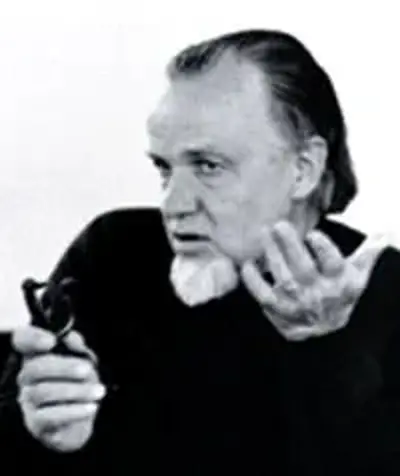
Francis August Schaeffer (January 30, 1912 – May 15, 1984) was an American evangelical theologian, philosopher, and Presbyterian pastor. He is best known for co-founding the L'Abri community in Switzerland with his wife Edith Schaeffer, née Seville. Opposed to theological modernism, Schaeffer promoted a more historic Protestant faith and a presuppositional approach to Christian apologetics, which he believed would answer the questions of the age.
