Saul Alinsky Quotes
Organization for action will now and in the decade ahead center upon America's white middle class. That is where the power is. ... Our rebels have contemptuously rejected the values and the way of life of the middle class. They have stigmatized it as materialistic, decadent, bourgeois, degenerate, imperialistic, war-mongering, brutalized and corrupt. They are right; but we must begin from where we are if we are to build power for change, and the power and the people are in the middle class majority.
Alinsky, Saul D. Rules for Radicals: A Pragmatic Primer for Realistic Radicals. Random House, 1971, p. 184.


And as the leader of the exploited, after his revolution he became a dictator himself, albeit a very popular one amongst most Cubans.

Executed by the English for his part in the Easter Uprising.


Saloth Sar Pol Pot. His view was that any small merchant or tradesman running a business was a capitalist, and all educated were enemies of the people. He moved entire populations out of the cities into the countryside where they would live as peasants or be murdered as about 20% of the entire population as. Therefore, in his warped view, the capitalists could no longer “control” Cambodia.

He was referring to the public unrest and dissatisfaction when an middle, poor or impoverished class is ground down by rigid interpretation and contract laws so that people in debt can rarely get out. He argues that this was a stark reality before most revolutions and a primary cause.


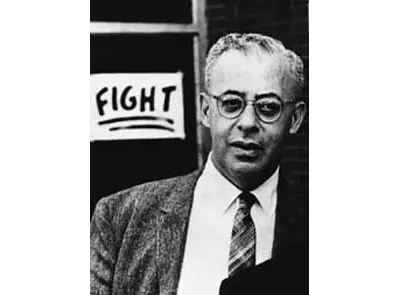
Saul David Alinsky was an American community activist and political theorist. His work through the Chicago-based Industrial Areas Foundation helping poor communities organize to press demands upon landlords, politicians and business leaders won him national recognition and notoriety. Responding to the impatience of a New Left generation of activists in the 1960s, in his widely cited Rules for Radicals: A Pragmatic Primer (1971) Alinsky defended the arts both of confrontation and of compromise involved in community organizing as keys to the struggle for social justice.
