Howard Phillips Quotes
One of the biggest mistakes of the Constitution is the provision that lets Congressman set their own salaries …. These should be set by the home state which they represent based on their perception of the worth of the representative.
Howard Phillips, Chairman, Conservative Caucus, Chairman, U. S. Taxpayers Party, Presidential Candidate, Constitutional Party, Conservative Caucus, Constitution Day Commemoration, September 16, 2006
Sourced by: Eigen's Political and Historical Quotations


Many state officials have always felt that way. However, history has shown that while no model of perfection, the Congress has been less corrupt than the state legislatures. Many leave state legislatures to run for Congress; almost no one leaves Congress to run for the state legislature.

The Bill of Rights only has 10 amendments. These are the two that did not get ratified by the states.


The Congress over the last century has ceded much of its Constitutional power to the President. Congress has much power to check the President, but just as Congress has not been very competent at legislating, oversight, and conducting hearings and investigations, it has not organized itself to use the powers it has very well.
This proposed Constitutional Amendment was debated just before Abraham Lincoln would take office. The South wanted to tie his hands on the Slavery issue, and wanted to end what had become a constant polarized Congressional debate over slavery. Of course, their idea of ending the debate was to Constitutionally prohibit further attempts to outlaw or otherwise interfere with slavery in the Southern states. A number of Northern members of Congress voted for it realizing that there was little or no chance of obtaining the ratifications of ¾ of the states and they wanted to buy some time for the Southerners to calm down over their fear of Lincoln and his upstart Republican party. The Amendment never obtained the needed votes though a few states did ratify it. Secession and the Civil War mad the amendment moot. The Southern position was so rigid, that they would compromise in no way on the slavery issue, and ended up of course losing more than they ever thought was possible by succeeding. Another reason this proposed amendment is historically important, is that it is yet another strong piece of evidence that the issue of the Civil War was slavery and not differences in political and economic philosophies as many Southerners have claimed since then. If States Rights in general were the great concern, would have been no reason to single out slavery if it were not the major issue. Yet the last phrase, “including that of persons held to labor or service by the laws of said State” does just. Similar evidence is given by the Secession Resolutions of the Southern States and the debates around them. It is clear that slavery was the issue that the South fought over.


This may just have been a note to himself of a draft that he decided not to send. As with today, the people who would feel aggrieved by not being allowed to have Congressional Chaplains are much more passionate about the issue than the those who see Chaplains as unconstitutional. Thus Chaplains remain.


The argument was Prohibition, the 18th Amendment.


Vidal, a staunch liberal held this view along with many ultra conservatives end extreme liberals. The constitution requires the Congress to declare war, but they have not done so for any of the wars since WWII. The President assumed the war power. And the only coherent budgets began.


He cast the deciding vote to acquit in the Andrew Johnson impeachment. He was the last of only 7 Republicans voting to acquit. His vote meant there would not be the required two/thirds of the Senate to vote in order to remove Johnson from office. His constituents were so angry with him that he was never reelected.


This ruling upheld a military draft for males only. The logic was that men and women were dissimilar persons.

Samuel Langhorne Clemens, 1835-1910

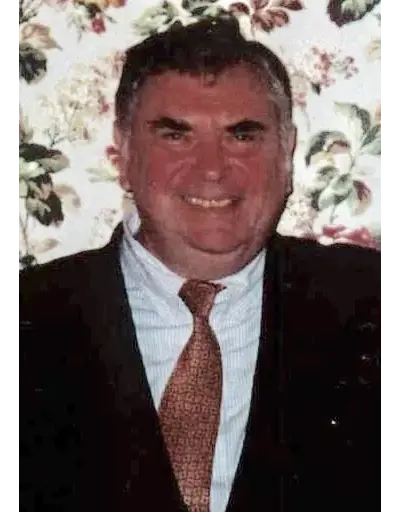
Howard Jay Phillips was a three-time United States presidential candidate who served as the chairman of The Conservative Caucus, a conservative public policy advocacy group which he founded in 1974. Phillips was a founding member of the U.S. Taxpayers Party, which later became known as the Constitution Party.
