Book of Exodus Quotes
One law for the native and the stranger among you.
Old Testament, Exodus 12:49
Sourced by: Eigen's Political and Historical Quotations


The power structure of England and the English administrators of South Africa were strong advocates of racial equality at the beginning of the 19th century. They insisted on equal administration of law. However the Boer white population could think of nothing more absurd. In a sense the Boers were much like the Southern Whites at the same time. The South African government however could not enforce its equality policies in the rural area – the majority of South Africa at the time. When democracy and self rule came to South Africa, the racially moderating force of the English was minimized and the majority of South Africans wanted a racially segregated society. Apartheid resulted.

Clinton was reacting to questioning about gays in the military.


An avowed Klansman and white supremacist, Duke was elected to the Louisiana House in 1989 as a Republican, to the chagrin of leading national, state, and local Republicans who disavowed him and refused to support his candidacy. Upon taking the oath of office Duke said:

The statement was made just before Kenyan Independence was official. His statement was surprising to many people who perceived him as a racist and anti-white. There was a fear that whites would no longer be welcome in Kenya after independence, but Kenyatta’s leadership maintained a pluralistic society.


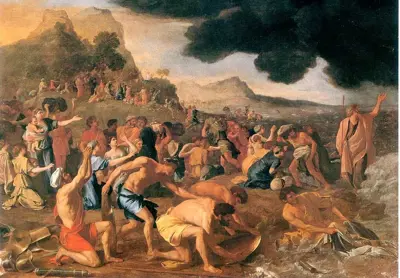
The Book of Exodus is the second book of the Torah and of the Old Testament. Starting with the deliverance of Moses by Pharaoh's daughter, it recounts the revelation at the Burning bush where he was called by Yahweh to deliver the Israelites from Egyptian slavery. After Pharaoh rejected his and Aaron's demands, according to the book, the Almighty inflicted ten Plagues on Egypt resulting in the Exodus. The Mosaic covenant was made at the biblical Mount Sinai, and subsequently the Tabernacle, with a "divine indwelling" of God with Israel.
