Juvenal Quotes
One globe seemed all too small for the youthful Alexander.
Juvenal. Juvenal and Persius. Translated by G. G. Ramsay, Harvard UP, 1918, p. 205.


His army had been so successful that many of his men had all the riches they ever dreamed of and great glory as well. Some just wanted to slow down and enjoy the conquered lands where they had been received very cordially as Alexander’s “occupation” was much more benign than the Asian rulers had been. Most however wanted to go back to Macedonia and enjoy their wealth and prestige. This statement of Alexander’s turned most of the men around.


One thing that made this a very unusual declaration was that in 1381 an act (see {616281}) was passed in England which prohibited anyone from leaving the country without the express permission of the monarch. In this case she gave Gilbert the right to take any Englishman who wanted to go. With all the rights of Englishmen from Magna Carta on down, the right of emigration did not appear until modern times.


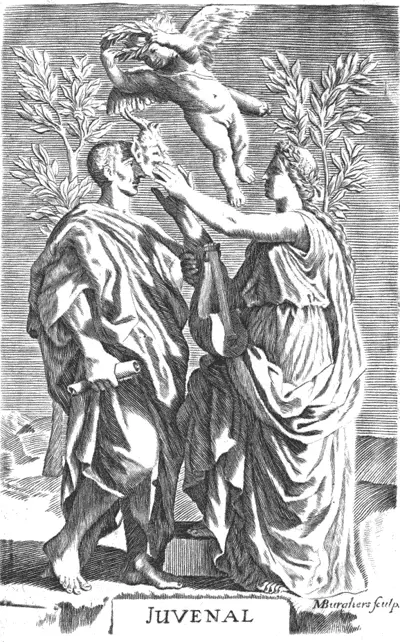
Decimus Junius Juvenalis (Latin: [ˈdɛkɪmʊs ˈjuːniʊs jʊwɛˈnaːlɪs]), known in English as Juvenal (/ˈdʒuːvənəl/ JOO-vən-əl), was a Roman poet active in the late first and early second century AD. He is the author of the collection of satirical poems known as the Satires. The details of the author's life are unclear, although references within his text to known persons of the late first and early second centuries AD fix his earliest date of composition. One recent scholar argues that his first book was published in 100 or 101. Because of a reference to a recent political figure, his fifth and final surviving book must date from after 127.
