Harry Snell Quotes
Occupancy of the Front Bench imposes penalties as well as privileges. Its members have to surrender some of the freedom which the back benches afford, and they have to consider much more closely whether what they do and say may help or compromise the position of the Party.. These obligations are so trying at times that men … do not care to assume them, preferring the greater freedom of the back benches. I would not personally press anyone to change back bench freedom for Front Bench reticence and circumspection, but I should like you to consider whether or not you cared to do so. If you thought that you could stand the yoke (and I have not found it too difficult) it would be a pleasure to me to tell the members of the Party that I proposed to ask you to join those who sit on the Front Bench.
This was an invitation to Snell to the “Front Bench.” This refers to the upholstered benches of Parliament where the members sit. The Front Bench for each party is reserved for the senior party officials and loyalists. The tradition is however, that Front Benchers have to support and defend the party on all things and must adhere to and vote with the party line. Backbenchers have more freedom and autonomy.
Harry Snell, 1865-1944, 1st Baron Snell, Labour Party's leader in the House of Lords, Note to William Francis Hare, June 11, 1936
Sourced by: Eigen's Political and Historical Quotations


This article was published under the name of “A Lover Of Peace” but is generally attributed to Paine.

In Philadelphia, the state delegates had just started to vote for independence. The majority of each state delegation determined the vote for the state. Delaware had three delagates, but only two were in Philadelphia. Rodney, the third delegate from Delaware, had been attending a meeting in Dover when he received word that the other two Delaware delagates Thomas McKean and George Read were split—McKean for and Read against independence. Rodney immediately left for Philadelphia late on July 1. He rode all night in a thunderstorm to traverse the 80 miles to Philadelphia. He arrived in his spurs and riding boots and cast his famous vote and thus Delaware voted for Independence. After the vote, the next 2 days were spent drafting the Declaration of Independence and Rodney signed it on July 4. After Rodney returned to Delaware, he was ousted in the next election by conservative loyalists who felt that Rodney had betrayed them and England.


See {585494},65902, and {585496}, for more quotations on this.

In 1820, convoyed by the war-sloop Cyane, American free Negroes (33 men ,18 women and some children) set out for Africa pursuant to a new program authorized by Congress and President Monroe. However, the details of the endeavor had not been worked out and after the Negroes’ experience in the U. S. the would-be settlers were suspicious of all government.


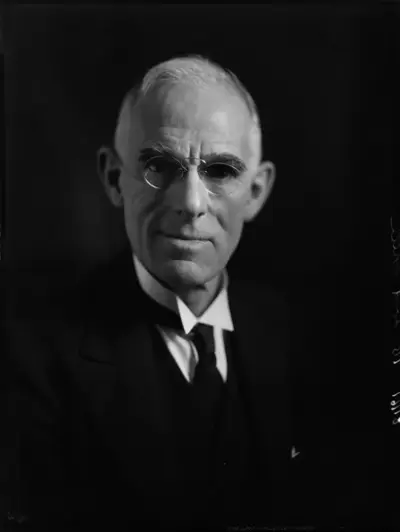
Henry Snell, 1st Baron Snell CH CBE PC, was a British socialist politician and campaigner. He served in government under Ramsay MacDonald and Winston Churchill, and as the Labour Party's leader in the House of Lords in the late 1930s.
