Mahatma Gandhi Quotes
Non-co-operation is the nation's notice that it is no longer satisfied to be in tutelage.
Gandhi, Mahatma. Young India, Navajivan Publishing House, 11 Feb. 1920, p. 3.

He advocated no cooperation with the British Colonial Administration which depended on Indian officials, administrators, clerks and other workers. The boycott strategy never worked in this case, but civil disobedience did. Boycott did work against the apartheid regime in South Africa a half century later however.


The Chief Secretary, Lord Castleregh, had put forward a resolution to bring about the unification of Great Britain and Ireland under the single British Parliament at Westminster. He and his allies had bribed a number of the Irish MPs to support the union. With Union some Irish MPs would then be able to win seats representing Ireland in the British Parliament. Although Grattan and most of the Orangemen opposed the Union, 4 months later, the bill passed comfortably. Ironically, Grattan was one of the Irish MPs whose popularity won a seat in the unified British Parliament.


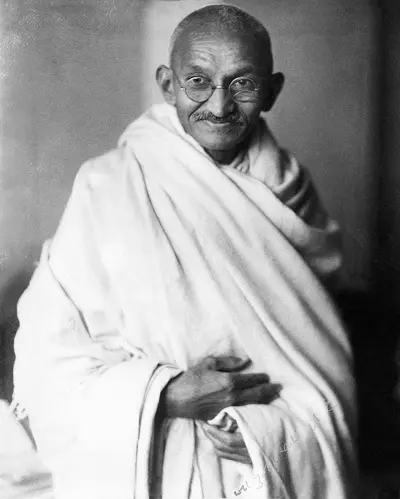
Mohandas Karamchand Gandhi was an Indian lawyer, anti-colonial nationalist, and political ethicist, who employed nonviolent resistance to lead the successful campaign for India's independence from British rule, and in turn inspired movements for civil rights and freedom across the world. The honorific Mahātmā (Sanskrit: "great-souled", "venerable"), first applied to him in 1914 in South Africa, is now used throughout the world.
