Franklin P. Adams Quotes
Nobody can write such ironic things unless he has a deep sense of injustice-injustice to those members of the race who are victims of the stupid, the pretentious and the hypocritical.
Adams, Franklin P. The Diary of Our Own Samuel Pepys. Simon and Schuster, 1935.


The reason this quotation is important, it was the first time in American history that a President had tied racial discrimination to morality. Before that other Presidents had argued against segregation on pragmatic grounds or on legal, Constitutional grounds. Kennedy’s private moral declaration had a huge impact on Black leaders throughout the country who heard about it by word of mouth. That statement forged a bond between JFK and Blacks while most whites did not see anything striking in the statement.


Grandfather of President John F. Kennedy

For a similar sentiment, see Thurgood Marshall.

The issue of slavery which had been suppressed in Congress for the first decades of the nation broke out when Missouri statehood was considered. By previous agreement, slavery was not even discussed in Congress but the time period elapsed. Tallmadge not only proposed that no more slaves could come into Missouri {613176} but most shocking to the Southerners was that every person born in the new state would be free at the age of 25. In a generation, there would be no more slavery in Missouri and there would be no economic compensation for slave owners at all. The House of Representatives accepted the amendment, but it failed in the Senate. At that time, Senators were not elected by voters but were appointed by the state legislators and the Southern slave states had a disproportionate share of the senate from a population point of view. But what this quotation shows clearly that a majority of the country in 1819 were opposed to slavery and were willing to end it without compensation.

[This was the first Abolition appeal written by a Black Man. It was published in Boston and despite the fact that it was very critical of whites, was very popular going through two more printings within the next two years.]
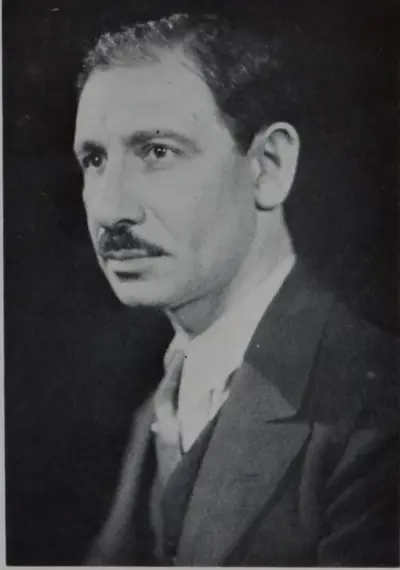
Franklin Pierce Adams was an American columnist known as Franklin P. Adams and by his initials F.P.A.. Famed for his wit, he is best known for his newspaper column, "The Conning Tower", and his appearances as a regular panelist on radio's Information Please. A prolific writer of light verse, he was a member of the Algonquin Round Table of the 1920s and 1930s.
