James Otis Quotes
No parts of his Majesty's dominions can be taxed without their consent.
Otis, James. The Rights of the British Colonies Asserted and Proved. Edes and Gill, 1764, p. 37.

This was one of the first elucidations of this principle which became so important for the American union and Revolution. The 1754 debate was over Franklin's public effort for a Colonial Federation (see {37005}, {37006}, & {583424}). Shirley liked the idea but thought that the King of England should appoint the members of a Colonial Congress. This was Franklin's counter, arguing that each colony should elect its own members.


The American Revolution’s ideas spread. This Cahier was the consensus of the Clergy of Blois in 1789. There were cahiers of several provinces of France—some by the clergy, some by the nobles. What is fascinating is the emergence of many of the pre-Revolutionary French concepts. The example of the American revolution and its principles was known throughout the educated classes of France.


In 1628 Parliament, in response to abuses by King Charles I, was about to pass The Petition of Rights–-a type of Bill of Rights. The King gave assurances that the practices—such as forcing nobles to lend him money—would not continue and didn't want to be embarrassed by passage of a law which he claimed would indicate that the Parliament did not trust him and weaken the dignity of the monarchy. The Petition of Rights passed with Cole’s leadership.


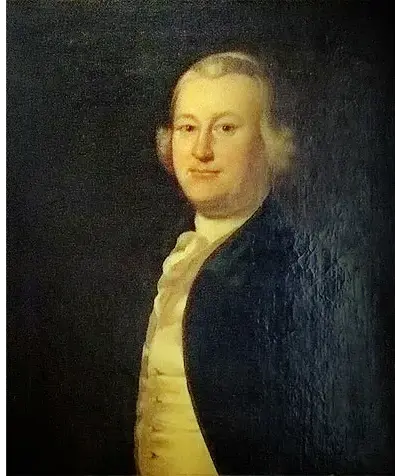
James Otis Jr. was an American lawyer, political activist, pamphleteer, and legislator in Boston, a member of the Massachusetts provincial assembly, and an early advocate of the Patriot views against the policy of Parliament which led to the American Revolution. His well-known catchphrase "Taxation without Representation is tyranny" became the basic Patriot position.
