Rigoberta Menchu Quotes
No longer will there be impunity for crimes against women. Now there is an avenue for recourse.
[During the Guatemalan Civil War, the military had often tortured, murdered disappeared and sexually enslaved female relatives of men they suspected of being rebel. The object was to humiliate and emasculate the insurrectionists so that others will not join them and they will cease their revolutionary activities to protect their women. The civil war ended in 1996, and although military war criminals had been tried earlier but never for crimes – sexual crimes against women. 20 year had elapsed since the end of the war and this famous trial. The two war criminals were sentenced to 120 and 240 years in prison respectively, but they had escaped justice for more than two decades.]
Comment after the trial and conviction of two major Guatemalan military officers for the sexual enslavement and murder of women in the town of Sepur Zarco, February 26, 2016
Sourced by: Eigen's Political and Historical Quotations

In some cultures of the world women are considered to be under the control of or even the property of men. As such they are allowed to “discipline” the women. However there are a few religious fundamentalists in America who believe that God has ordained the man as head of the household and they oppose prohibiting husbands from “chastising” their wives. In some nations, especially in Islamic cultures, families are allowed to even murder a woman relative if she “brings dishonor upon the family. In many cultures, including some in the US, rape is not seen as a felonious assault, but as a natural thing for males to do.


The Israeli cabinet was discussing an outbreak of assaults on women at night. One minister suggested a nighttime curfew for women:


Many leaders of nations are in denial about this problem which exists almost everywhere. In Israel, the problem is compounded because the very orthodox Jews and Muslims both come from a tradition where women are allocated a place subservient to men in many ways and to some (like some Christians) there is a perceived duty to discipline wives and daughters. So reform involves religious tradition and theology.


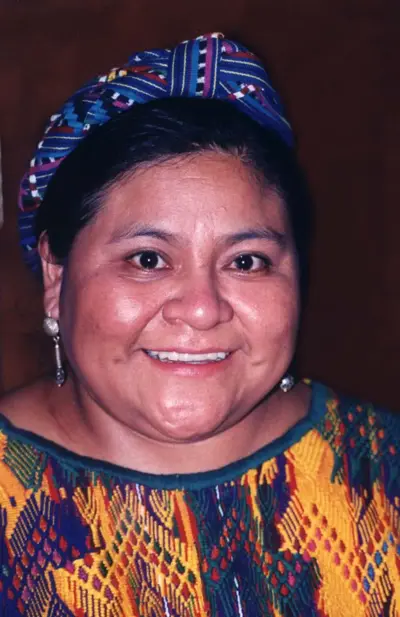
Rigoberta Menchú Tum is a K'iche' Guatemalan human rights activist, feminist, and Nobel Peace Prize laureate. Menchú has dedicated her life to publicizing the rights of Guatemala's Indigenous peoples during and after the Guatemalan Civil War (1960–1996), and to promoting Indigenous rights internationally.
