Livy Quotes
No law can possibly meet the convenience of every one: we must be satisfied if it be beneficial on the whole and to the majority.
Livy. The History of Rome. Translated by Rev. Canon Roberts, J. M. Dent & Sons, 1912, Book 34, Ch. 3.


This was in effect a “Real Estate Promotional Document. Democracy, self government, and the right to set their own taxes were major selling points. See {611572} and {611571} for other “features.”
See {610613} for Attila’s criticism to which he was responding.


This proverb operates with the force of law and in a sense is the doctrine of contributory negligence. I have a right to compensation for damage you have done me unless I have done something which impinges on your rights. If your camel destroys my crops, my rights have been violated, but if had used your camel without your permission, and he got out of control. I right is cancelled out. In a larger sense, this principle is used globally in international disputes. The Israeli right to live in peace has been, in the view of some Arabs, “cancelled out” by the fact that the Israelis have taken others land.

This small booklet was the first describing parliamentary procedures and it rapidly sold 500,000 copies. It has become the bases for legislatures, committees, boards ever since. The Congress and most of the State and local legislatures all are based on it.

There are many democracies that have run into this problem at many times. Even the United States had situations like this. The Adams-Jefferson Presidential Contest caused President Adams to curtail civil rights so he could not be as viciously attacked. The polarization after the first Black was elected president in 2008 was another period of destructive contention and polarization.


Essentially, this has not changed even into the 21st century.
Discussing cases where Constitution and rights conflict.

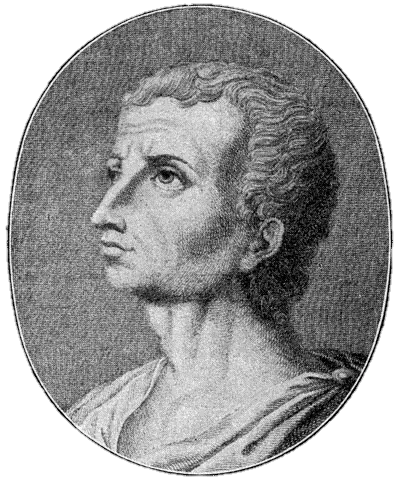
Titus Livius (/ˈlɪviəs/ LIV-ee-əs, Latin: [ˈtɪtʊs ˈliːwijʊs]; 64/59 BC – AD 12/17), known as Livy (/ˈlɪvi/ LIV-ee) in English, was a Roman historian. He wrote a monumental history of Rome and the Roman people, titled Ab Urbe Condita, ''From the Founding of the City'', covering the period from the earliest legends of Rome before the traditional foundation in 753 BC through the reign of Augustus in Livy's own lifetime. He was on familiar terms with members of the Julio-Claudian dynasty and even in friendship with Augustus, whose young grandnephew, the future emperor Claudius, he exhorted to take up the writing of history.
