Ludwig Wittgenstein Quotes
No good news, which means the same as bad news.
Ludwig Wittgenstein, 1889-1951, Austrian Philosopher, Comment on the WWI German Newspapers which were highly controlled October 30, 1914
Sourced by: Eigen's Political and Historical Quotations


The term baits was a traveling term meaning to stop for rest or refreshment, hence to travel slowly.

Note how the second paragraph nullifies the first of the government declares an emergency. This is a trick that is very common in constitutions.


Metternich called a conference of the heads of all the German states to deal with what they perceived as a dangerous liberalism enveloping German society. Metternich did not personally draft all the resolutions but he controlled the conclave and all the resolutions which are usually ascribed to him.


The queen was a lot more sophisticated about the newspapers than politicians in the 21st century.


In September of 2005 a Danish Newspaper published some political cartoons showing the hypocrisy of some Muslims who use Islam to justify murder of innocents and terrorism. Months later, in January of 2006 many in the Middle East protested vehemently and Muslim fatal riots broke out because the Prophet Muhammad's visage was depicted against Islamic tradition. Many Muslim nations started a boycott against Denmark. Many Muslim leaders claimed that insulting religion was an “abuse” of freedom of speech including those from nations which regularly publish material that is virulent against Christians and Jews.


As hard as it is for us to imagine today, while her husband was President of the United States, the First Lady wrote a nationally syndicated newspaper column every single day with politics frequently the subject. While she usually agreed with the President, there were occasions where they seemed to not see things exactly the same. She tended to be more liberal than he. However, there were those who believed that when she criticized politicians, it was with FDR’s knowledge and blessing and she sometimes did his “dirty work.” Eleanor Roosevelt was one of the most influential people in the country—certainly more-so than any First Lady before and since.
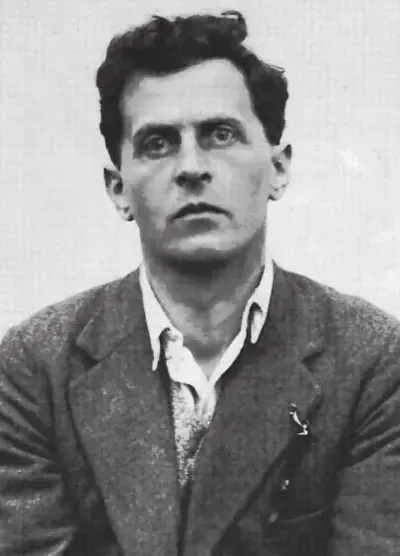
Ludwig Josef Johann Wittgenstein was an Austrian-British philosopher who worked primarily in logic, the philosophy of mathematics, the philosophy of mind, and the philosophy of language.
