Angela Carter Quotes
My mother learned that she was carrying me at about the same time the Second World War was declared; with the family talent for magic realism, she once told me she had been to the doctor's on the very day.
Carter, Angela. Nothing Sacred: Selected Writings. Virago, 1982.


After the sneak attack on Pearl Harbor, Stimson drafted the Declaration of War that President Roosevelt would ask Congress to vote for. However, there was a small but very vocal group of extreme Republican conservatives who opposed assisting England against Hitler and saw German and Italian Fascism as positive forces. They would oppose any administration declaration of war against Germany and Italy who had not yet attacked any American facilities. The President realized that German and Italy had a Mutual Defense Treaty with Japan, and when we declared war against Japan, would have to ally with Japan or reneg on their treaty. So FDR removed Germany and Italy from the Declaration and Congress just declared war against Germany. In the next days, Germany and Italy declared war against the United States, and the de facto situation was as Stimson had drafted it, but FDR had not given the right wing American Fascist sympathizers any issue to criticize the administration.

Under the Jay Peace Treaty for the American Revolution, the Iroquois were recognized as an Independent Nation. (5 of the tribes fought for the British and 1 for the Colonists which is why the Iroquois were one of the subjects of the peace treaty. In 1942. the Iroquois wanted to maintain their own sovereignty and so they made their own declaration of war in WWII. Then Iroquois men then enlisted in the American Armed Forces. The Iroquois had made their own separate Declaration of War in WWI as well.


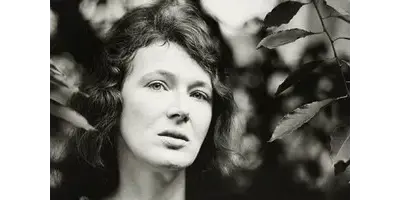
Angela Olive Pearce, who published under the name Angela Carter, was an English novelist, short story writer, poet, and journalist, known for her feminist, magical realism, and picaresque works. She is best known for her book The Bloody Chamber, which was published in 1979. In 2008, The Times ranked Carter tenth in their list of "The 50 greatest British writers since 1945". In 2012, Nights at the Circus was selected as the best ever winner of the James Tait Black Memorial Prize.
