Chesty Puller Quotes
My definition, a definition in the drill books from the time that General Von Steuben wrote the regulations for General George Washington, the definition of the object of military training is success in battle... It wouldn't be any sense to have a military organization on the backs of the American taxpayers with any other definition.
Davis, Burke. Marine! The Life of Chesty Puller. Little, Brown and Company, 1962, p. 377.


This Biblical quotation has been used to justify and legitimize military conscription.


This was an official publication of the U. S. Army. The First World War had very little affect on future military preparedness At that time conservatives in Congress were very isolationist and military preparedness was not a high priority or even a significant political issue. The Democrats then were more supportive of military spending than the Republicans. It took World War II, for which America was very unprepared, to produce a change in public and political opinion regarding military preparedness.


Lorenzo Thomas Adjutant General U.S. Army He was a sergeant with a teaching background when he wrote this letter. He volunteered for the new duty and was commissioned an officer in the 9th Louisiana Volunteer Infantry—one of the Negro Divisions. A few months later he was killed in action.


“There” referred to the new American Colonies. He was advocating mobilizing the poor and destitute of England and sending them to America to provide manpower for a needed workforce and to be soldiers in the event of wars. The poor have historically been used indiscriminately for military manpower needs until Post WWII America where the military technology began to require minimum standards of intelligence and literacy. With the all volunteer military and higher standards, the majority of the military in America has been from the lower socioeconomic classes.


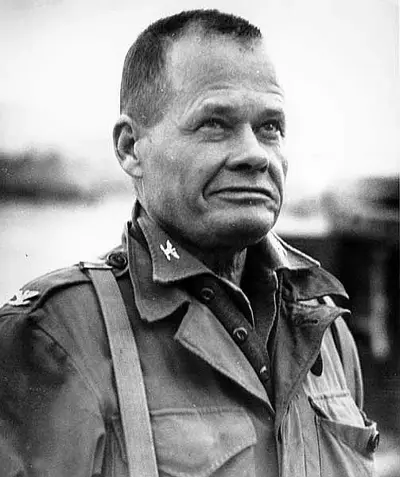
Lewis Burwell "Chesty" Puller served as a United States Marine Corps officer. Beginning his career fighting guerillas in Haiti and Nicaragua as part of the Banana Wars, he later served with distinction in World War II and the Korean War as a senior officer. By the time of his retirement in 1955, he had reached the rank of lieutenant general.
