Paul Harvey Quotes
Mr. President, I love you, but you're wrong. (To Richard Nixon, on the Vietnam War)
Harvey, Paul. "News and Comment." ABC Radio Networks, 1 May 1970.

The only soldier ever so honored. Marshall was then the Deputy Chief of Staff of the Army. The President was meeting with the Army leadership to plan the nation’s preparedness to come with the Nazi menace. Army brass had wanted to build up large ground forces. However, conservatives (in those days opposed to military spending) accused the Roosevelt administration of fomenting war. FDR wanted to be less visible and opted for a program that would build 7 aircraft factories first and later build ground forces. He asked if all agreed and the army heads all bobbed except for Marshall, then a relatively junior general. FDR never forgot the one general who told him, No, and when War was eminent, he selected Marshall lead the military and promoted him over 34 more senior generals. Great leaders appreciate people who have the courage and integrity to say No to power and FDR had the confidence in himself that he could handle people who disagreed or were difficult. This was one of FDR’s many great appointments.


President Eisenhower was considering sending 200 advisors to assist the South Vietnam government:. Eisenhower did and Morton didn't.

This passage from the Watergate tapes show how even after the Watergate scandal had started to unravel, Nixon and his staff were oblivious to what Nixon’s behavior had been and blamed critics for all the problems. It also shows the mindset that existed then in the White House that political opponents were enemies of the state and traitors. It was a throwback to monarchies were any opponent or critic of the King was by definition a traitor. This quotation is used by historians to not only show the Nixon paranoia about critics, but it shows the way Kissinger pandered to the President’s paranoia at the time. Whether Kissinger’s behavior was self-serving and hypocritical as his critics charge or a clever attempt to manage the President and Watergate crisis into a “soft landing” with Nixon’s resignation, as his supporters argue, it is hard to tell.


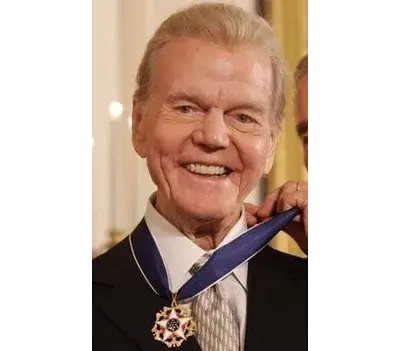
Paul Harvey Aurandt, better known as Paul Harvey, was an American radio broadcaster for ABC News Radio. He broadcast News and Comment on mornings and mid-days on weekdays and at noon on Saturdays and also his famous The Rest of the Story segments. From 1951 to 2008, his programs reached as many as 24 million people per week. Paul Harvey News was carried on 1,200 radio stations, on 400 American Forces Network stations, and in 300 newspapers.
