Olive Schreiner Quotes
Men's bodies are our women's works of art. Given to us power of control, we will never carelessly throw them in to fill up the gaps in human relationships made by international ambitions and greeds ... War will pass when intellectual culture and activity have made possible to the female an equal share in the governance of modern national life; it will probably not pass away much sooner; its extinction will not be delayed much longer.
Schreiner, Olive. Woman and Labour. T. Fisher Unwin, 1911, pp. 178-179.


Jinnah was a modern Islamist who saw the role of females in a modern context. He, like the Indian Hindu leaders were in a sense products of the West and Western government and education. He would be very surprised that in his Pakistan men can murder their female relatives who they believe have dishonored the family, or that women would not be educated in the Madrassas, or that authorities could sentence a female relative of a man deemed guilty of seduction to be gang raped, but that is what happens in modern Pakistan. Jinnah and many of the early leaders believed that their new government could modernize Islam but the control and influence went the other way. Pakistan became a religiously dominated autocracy rather than the democracy that Jinnah foresaw.


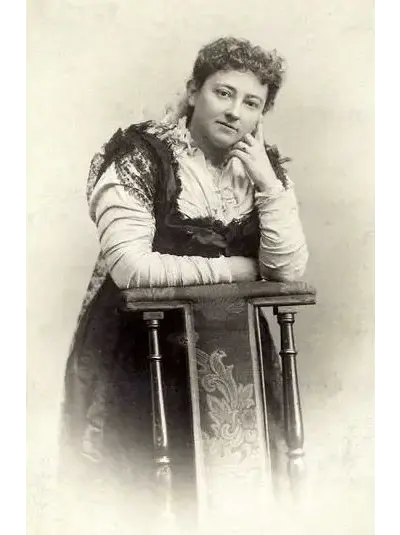
Olive Schreiner was a South African author, anti-war campaigner and intellectual. She is best remembered today for her novel The Story of an African Farm (1883), which has been highly acclaimed. It deals boldly with such contemporary issues as agnosticism, existential independence, individualism, the professional aspirations of women, and the elemental nature of life on the colonial frontier.
