Theodore Roosevelt Quotes
Men with the muckrake are often indispensable to the well-being of society, but only if they know when to stop raking the muck.

The Treasury Secretary had discovered a massive fraud between some whiskey distillers and some government officials whereby the government was defrauded of millions of dollars of tax revenue. One of the Federal officials Bristow wanted to indict was O. E. Babcock, the President’s personal secretary and advisor. Bristow marshaled the facts and sent a report to Grant who wrote the quoted material in the margin of the report and sent it back to Bristow. Despite Grant’s lack of personal involvement and his immediate willingness to prosecute his close friend and colleague, the stain of scandal spread to Grant and to this day is a part of any discussion of his presidency.


See Charles James Fox, John Milton, Jeremy Bentham, George Mason, Grover Cleveland, Benjamin Disraeli and Woodrow Wilson for similar expressions of this idea.

See Charles James Fox, John Milton, Jeremy Bentham, George Mason, Henry Clay, Benjamin Disraeli and Woodrow Wilson for similar expressions of this idea.


On why elected representatives would be responsive to their constituents:

The hearings were on indecency in broadcasting.


Lincoln Steffens and Ida Tarbell had written exposes of business misconduct and lax government enforcement of laws. Politicians and business leaders were outraged and wanted something done to prevent this embarrassment and the riling up of the voting public. The President, a reformer himself, and a personal friend of Lincoln Steffens, took what seemed like a middle ground, where the government would not interfere with the 1st Amendment rights of the Journalists provided they did not go too far. But of course everyone had a different idea of “when to stop” so there never was a practical limit.

“Public charities” were government services that were like those provided by private charities: relief, food, housing etc. ie “welfare”
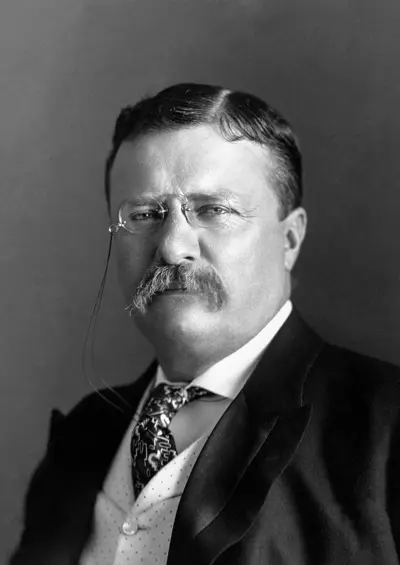
Theodore Roosevelt Jr., often referred to as Teddy or his initials T. R., was an American statesman, conservationist, naturalist, historian, and writer, who served as the 26th president of the United States from 1901 to 1909. He previously served as 33rd governor of New York from 1899 to 1900 and the 25th vice president of the United States from March to September 1901. Roosevelt emerged as a leader of the Republican Party and became a driving force for anti-trust and Progressive policies.
