Immanuel Kant Quotes
Manners or etiquette ('accessibility, affability, politeness, refinement, propriety, courtesy, and ingratiating and captivating behavior') call for no large measure of moral determination and cannot, therefore, be reckoned as virtues. Even though manners are no virtues, they are a means of developing virtue.... The more we refine the crude elements in our nature, the more we improve our humanity and the more capable it grows of feeling the driving force of virtuous principles.
Kant, Immanuel. Lectures on Ethics. Translated by Louis Infield, Harper & Row, 1963, p. 235.


There was a social custom amongst the wealthy women of early American society where if they were moving to a new town, they would present their cards to the established female residents, who would then visit the newcomer at her home. Dolley Madison, anxious to bring some social civilization to Washington, still a rough swamp area, went out of her way to visit all comers and the Cabinet (Department) wives then did the same. However, as the government and Washington grew, this became more and more difficult, and subsequent first ladies wanted more of their privacy and time devoted to family. As America grew in importance, more counties sent ambassadors to Washington, and their wives all expected to be visited and invited. See {620648} for more on the “obligations” of a first lady and cabinet wives.


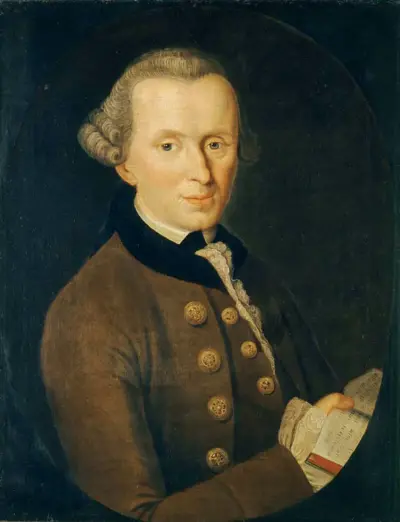
Immanuel Kant was a German philosopher and one of the central Enlightenment thinkers. Kant's comprehensive and systematic works in epistemology, metaphysics, ethics, and aesthetics have made him one of the most influential figures in modern Western philosophy.
