Ralph Waldo Emerson Quotes
Logic is the procession or proportionate unfolding of the intuition; but its virtue is as silent method; the moment it would appear as propositions, and have a separate value, it is worthless.
Emerson, Ralph Waldo. "Intellect." Essays: First Series, James Munroe and Company, 1841, p. 272.


Feynman generally emphasized the importance of a scientist understanding the mathematics of his/her subject, especially where nature's complexities abounded. At the time few appreciated the importance in the biological sciences of mathematics which we know today is so essential.


Even today, the lack of logic in many fields—especial politics and public policy—has caused an intellectual and emotional rift between scientists and many in government. Bush was one of the great scientists and thinkers in American history. He had advised FDR to go ahead with the research and development program to try and develop an atomic bomb. He was the only Government Official who Roosevelt discussed the idea with. At the time, Bush as a government official supervised and directed many thousands of scientists, and was one of just a few scientists who monitored and advised on the Manhattan Project to develop the Bomb.

Much of Western society, even in the 21st century has tended to distrust logic, reasonng and emperical research unless there was some kind of philosophical, religious, ethical or idological corroberation. Often science is rejected or ignored if its results do not conform with Westrern society's traditional values. Climate change and evolution are two of the more dramatic example of the continuing influence of the transcendentalists and religious fundamentalists.


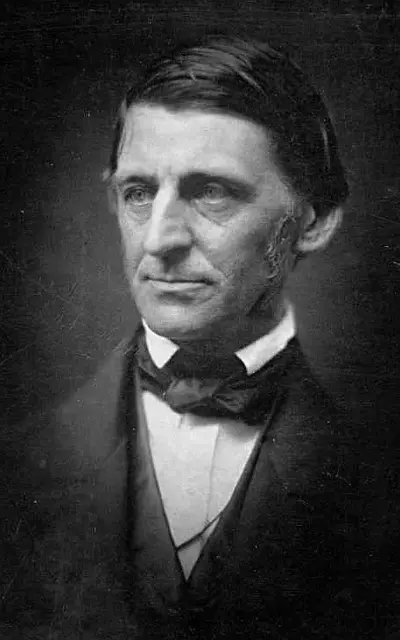
Ralph Waldo Emerson, who went by his middle name Waldo, was an American essayist, lecturer, philosopher, abolitionist and poet who led the transcendentalist movement of the mid-19th century. He was seen as a champion of individualism and a prescient critic of the countervailing pressures of society, and he disseminated his thoughts through dozens of published essays and more than 1,500 public lectures across the United States.
