Samuel Smiles Quotes
Labor is still, and ever will be, the inevitable price set upon everything which is valuable.
Smiles, Samuel. Self-Help. John Murray, 1859, p. 26.


This extreme position illustrates how a politician, trying to defend a particular position can get carried away and lose rational sense of balance. The air we breath is free and quite valuable—essential really. The exercise of most of our political rights is without charge. Legitimate religions do not require payment.


Mormons in later years found this principle difficult to enforce where there was unemployment and workers were idle through no fault of their own. The local Mormon churches were very active in encouraging wealthier Mormons to hire those who were unemployed.

They lost. Sweden had a combination of a high standard of living, a very robust and effective social safety net and a high marginal income tax rate. For Swedes who do not work, life is far better than for employed people in most other countries. For those who work, they pay a large proportion of their earnings as taxes. So the very hard worker is left with comparatively little advantage over non workers. Conservatives have always warned that this is a formula for economic stagnation as few people will work. The reality in Sweden and a few other nations, is that the vast majority of the Swedes choose to work—but they work not to survive, but for reasons which range from interest in their work, the social interaction of the workplace, the desire to create things and make a difference in society. Even in America there are many who work who do not need the money and are motivated by non-monetary factors.


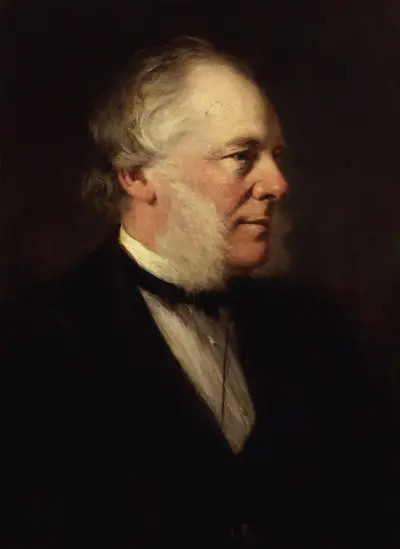
Samuel Smiles was a Scottish author and government reformer. Although he campaigned on a Chartist platform, he promoted the idea that more progress would come from new attitudes than from new laws. His primary work, Self-Help (1859), promoted thrift and claimed that poverty was caused largely by irresponsible habits, while also attacking materialism and laissez-faire government. It has been called "the bible of mid-Victorian liberalism" and had lasting effects on British political thought.
