Auberon Waugh Quotes
Judicial execution can never cancel or remove the atrocity it seeks to punish; it can only add a second atrocity to the original one ... So long as one sees killing as wrong there is no need to waste time with the deterrent argument, since it would be nonsense to try to prevent a theoretical evil in the future by perpetrating an actual one in the present.
Waugh, Auberon. The Spectator.


Although this is generally followed as a legal principle in America, states like Texas have executed felons who most other jurisdictions would see as Coke’s “mad man.”

Most people reading this think at first that if comes out of the Middle Ages, but it is quite contemporary expressing a point of view that holds that the state is but the instrument of and subservient to God as defined by Protestant Fundamentalism.

Einstein had changed his mind. He like almost everyone else at the time favored the death penalty, but in 1927 came to the new conclusion for the same reasons that many American politicians stated 70 years later. He had no compunctions against capital punishment for murderers who were dangers to society, but the potential error of the justice system led him to oppose state sanctioned execution. At the time the number of errors in capital cases that had been demonstrated were few. But as a scientist, Einstein knew that all human endeavors were prone to error. He was a strong law and order supporter however—see {588606}.


This has been the case in EVERY jurisdiction that has had capital punishment. Capital punishment does provide vengeance for victims, relatives and society. And in many societies execution is less expensive than prison for life. But it has never curtailed crime despite the example. In London, they used to have public executions as examples to inhibit crime. While the crowd was watching a pickpocket be hung, other pickpockets were relieving many spectators of their wallets and watches.


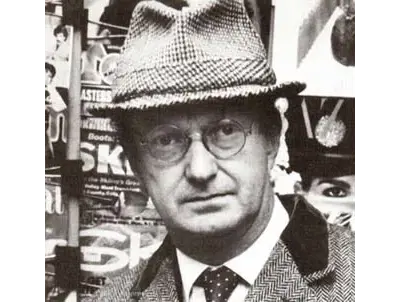
Auberon Alexander Waugh /ˈɔːbərən ˈwɔː/ was an English journalist and novelist, and eldest son of the novelist Evelyn Waugh. He was widely known by his nickname "Bron".
