Robert Louis Stevenson Quotes
Jew storekeepers have already learned the advantage to be gained from this [unlimited credit]: they lead on the farmer into irretrievable indebtedness, and keep him ever after as their bondslave hopelessly grinding in the mill.
Stevenson, Robert Louis. The Silverado Squatters. Chatto & Windus, 1883, p. 55.


The bill which passed required people who went into bankruptcy to continue to pay for credit card obligations incurred before the bankruptcy except if they are very rich and have bought very expensive homes in the five states which offer this shelter.


Summarizing his conclusions of the Judiciary Committee investigations regarding Wall Street and the bankers' role in the Great Depression:

England, and most other countries of Europe, had put people who could not pay their debts in prison. When our founding fathers formed the constitution, they too saw debtors’ prison as an acceptable concept. 11 years earlier Congress had outlawed Federal Debtors’ Prisons. However many states and local governments then still had them. Smith wanted them abolished completely. What is fascinating about this quotation is that although the head of a religion, Smith was not advocating the kinds of personal lifestyle issues of his church the way modern religious leaders do, but was concerned with the much larger issues of expansionism, corruption of the courts and judiciary, and land distribution. He was a classic reform candidate in that sense. Smith had written to most of the then likely Presidential candidates of both major parties asking for their position on the Mormons who were facing persecution wherever they went. None of the politicians would make any satisfactory commitments. Smith took Direct Action and became the only major religious official to have run for the Presidency of the United States until Pat Robertson tried and failed in 2000. Smith’s assassination shortly thereafter cut his run for the Presidency short before it made much headway and politically he had no chance to affect the race.


Money was backed by gold then and therefore limited and the country was growing, and needed more money to finance development. But the only way to then have more money in circulation was for the government to borrow it from the people who had it—mostly wealthy people in the East and in England. These gold owners charged very high interest rates. However there was much more silver in the U. S. and more was being mined every day. So for many populists, the answer was to make silver a basis for money. But those who had gold backed money wanted to maintain the shortage of currency in the growing nation The populists naively thought that if there was sufficient money supply all other problems like labor strife would disappear. Some did when the money supply was finally expanded, but it was no panacea.

There were little controls over usury in his time in India. Villagers often paid 500% or more to borrow money in a necessity like needing critical health care.


Carson was a particular candid and forthright politician. Most politicians would never admit that they were “taken advantage of” by political and campaign consultants.


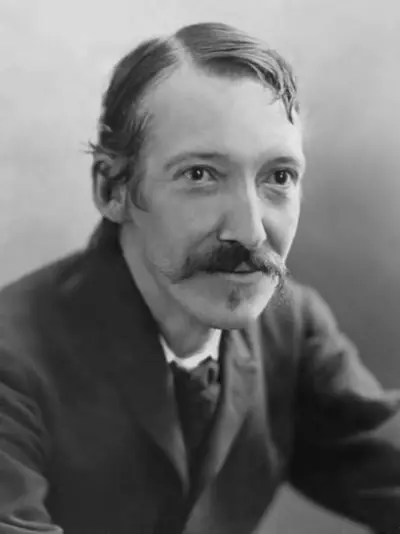
Robert Louis Stevenson was a Scottish novelist, poet and travel writer, most noted for writing Treasure Island, Strange Case of Dr Jekyll and Mr Hyde, Kidnapped, and A Child's Garden of Verses.
