Stephen Ambrose Quotes
Jefferson owned slaves. He did not believe that all were created equal. He was a racist.
Ambrose, Stephen E. To America: Personal Reflections of an Historian. Simon & Schuster, 2002.


His solution was not to change the prejudice or improve the opportunity for Blacks but to have complete separation of the races. See {625687}.


Prior to his diplomatic service, Dodd was one of the preeminent scholars of the country.

The issue of slavery which had been suppressed in Congress for the first decades of the nation broke out when Missouri statehood was considered. By previous agreement, slavery was not even discussed in Congress but the time period elapsed. Tallmadge not only proposed that no more slaves could come into Missouri {613176} but most shocking to the Southerners was that every person born in the new state would be free at the age of 25. In a generation, there would be no more slavery in Missouri and there would be no economic compensation for slave owners at all. The House of Representatives accepted the amendment, but it failed in the Senate. At that time, Senators were not elected by voters but were appointed by the state legislators and the Southern slave states had a disproportionate share of the senate from a population point of view. But what this quotation shows clearly that a majority of the country in 1819 were opposed to slavery and were willing to end it without compensation.

Lincoln had been a Whig before he joined the Republican Party. Most Whigs had been opposed to the extension of slavery and some were abolitionists. The Whig Party was disintegrating. However, some of his former Whig associates had joined the anti-Catholic and anti-Immigrant Know-Nothing Party.


The President often referred to this statement as an example of his wife’s acumen. She had been born to a Southern plantation and inherited the land and the slaves. Her view, and his, were typical of the Southern point of view in early America.


The reason this quotation is important, it was the first time in American history that a President had tied racial discrimination to morality. Before that other Presidents had argued against segregation on pragmatic grounds or on legal, Constitutional grounds. Kennedy’s private moral declaration had a huge impact on Black leaders throughout the country who heard about it by word of mouth. That statement forged a bond between JFK and Blacks while most whites did not see anything striking in the statement.


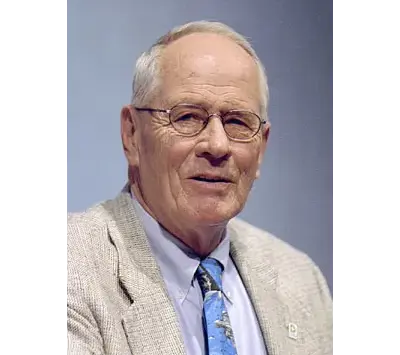
Stephen Edward Ambrose was an American historian and biographer of U.S. Presidents Dwight D. Eisenhower and Richard Nixon. He was a longtime professor of history at the University of New Orleans and the author of many bestselling volumes of American popular history.
