Harriet Tubman Quotes
I've heard 'Uncle Tom's Cabin' read, and I tell you Mrs. Stowe's pen hasn't begun to paint what slavery is as I have seen it at the far South. I've seen de real thing, and I don't want to see it on no stage or in no theater.
Bradford, Sarah H. Scenes in the Life of Harriet Tubman. W. J. Moses, 1869, p. 116.


The editorial was in response to the pro-slavery speeches in the Senate of John C. Calhoun.

The language was removed in the negotiations that followed Jefferson's draft.


The Southern propaganda regarding slavery of the Day was that the Negro prefers his state of slavery to which he is naturally inclined—that the responsibility and uncertainty of freedom are not suited to the Negro temperament. As we look back upon that time, it is hard for us to believe that any sane person would for a moment believe such nonsense, but the reality is that not only did Southerners convince themselves of this, but there were many in the North who accepted the argument.

He was also himself a ship owner in the slave trade and he was the brother of the leading Rhode Island abolitionist, Moses Brown. See {585793}. Brown became the first American, prosecuted in federal court for illegal slave trading –-- a prosecution brought, in part, by his own brother. He was, however, acquitted.


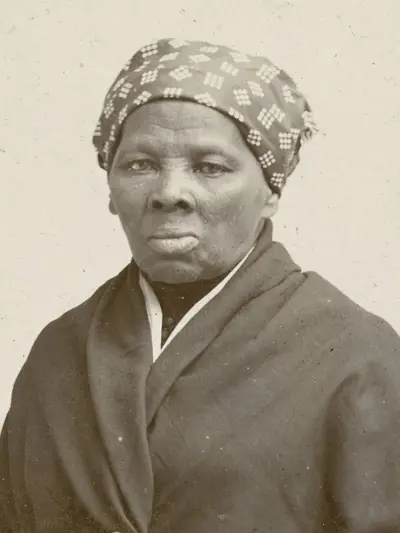
Harriet Tubman was an American abolitionist and political activist. Born into slavery, Tubman escaped and subsequently made some 13 missions to rescue approximately 70 enslaved people, including family and friends, using the network of antislavery activists and safe houses known as the Underground Railroad. During the American Civil War, she served as an armed scout and spy for the Union Army. In her later years, Tubman was an activist in the movement for women's suffrage.
