Richard Painter Quotes
I've been a pain in the rear for the Republican Party, and if I were to continue to be involved in the Democratic Party, I will continue to be a pain in the rear on campaign finance, health care, the environment. I'm not interested in party loyalty issues.
Painter, Richard. Quoted in "Former GOP Ethics Lawyer Richard Painter to Run for Senate in Minnesota as a Democrat." Star Tribune, 28 Apr. 2018.


Democratic Speaker of the Oklahoma House Jim Barker was so heavy-handed that his own party members combined to unseat him:

In 2011 nd 2012 a right wing extremist group—the Tea Party-were able to intimidate the Republican Congressional leadership to take the extreme partisan view that why would allow no significant legislation to pass as it might strengthen Democrat president Obama’s chances of getting reelected. Therefore there was to be no cooperation or even negotiations with the Democrats in Congress. Lugar a highly respected Republican Statesman, and expert on Foreign Affairs, followed his usual pattern of trying to develop legislation that would benefit the country. The Tea Party and some of the more partisan regular republicans then ran a candidate in the state primary election sending huge amounts of money to defeat Lugar who was a sure winner in the general election as he was very popular with all groups in Indiana ecept the right wing extremists, racists and fascists. Lugar never had the chance to win the election. He was defeated in the primary for working with Democrats.
Most political analysts agree that all of these were factors that produced the hyperpolarization of the time. There were others such as the Republican Southern Strategy which triggered a shift of Democratic conservatives to the Republican party. This made the Republicans more conservative and the Democrats more liberal. Then those strong ideological parties drove many of their moderates out, and the Tea Party ran even more conservative candidates knocking out less conservatives in the primaries. Another factor, the relatively even split of voters nationally causing most candidates to appeal to their bases which became more extreme. However, especially in the House of Representatives, the redistricting created so few competitive districts that there was no need for candidates with safe seats to even be concerned with moderate and undecided voters.
2012 and 2013 with the Tea Party driving Republicans more to the right under fear of being attacked in their primary elections caused the handful to shrink to 2 or 3. The change stems from the historical fact that the majority of the Democratic racists (mostly of the South) were furious that their party, had passed the Civil Rights Act of 1964 ending legal segregation and institutional racism of the South. The Republicans implemented a “Southern Strategy” by using code words that endorsed Southern racism and this swung the formerly Democratic “Solid” South to the Republican side changing the balance of power for years. The conservative Democrats became Republicans changing the balance in that party. The conservatives starting purging the liberal Republicans and then drove many of the moderates out. Meanwhile, the Democrats, without their conservative wing from the South became more left wing and made things uncomfortable for the remaining conservatives. Just as Tama predicted there were few moderates left to cross over and vote with the other party. Congress became totally dysfunctional.


The Republicans wanted to repeal Obamacare but could not agree among themselves on a replacement. Their hyperpolarized posture would not allow them to work with the Democrats so the leadership drafted legislation that purported to be a plan to provide for American Health Care. But they could not get their own entire caucus to support it, and so it failed.


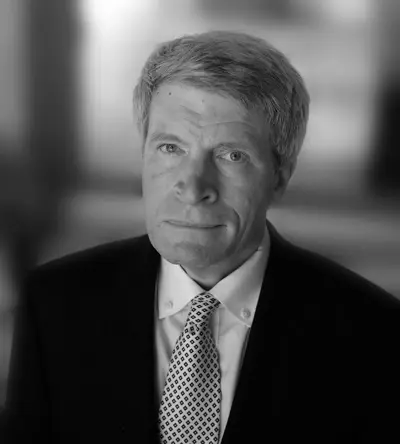
Richard William Painter is an American lawyer, professor, and political candidate. From 2005 to 2007 Painter was the chief White House ethics lawyer in the George W. Bush administration. He is the S. Walter Richey Professor of Corporate Law at the University of Minnesota, and since 2016 has served as vice-chair of Citizens for Responsibility and Ethics in Washington (CREW), a government watchdog group.
