Eric Topol Quotes
It's infrequent that people are rail thin yet have high blood pressure.
Topol, Eric. The Creative Destruction of Medicine: How the Digital Revolution Will Create Better Health Care. Basic Books, 2012.


This quotation illustrates one of the contemporary problems that Muslims face. The problem of overeating and especially obesity are now known to be serious health problems. The Prophet had called attention to this while the majority of the world, afraid of starvation, considered obesity and overeating as a sign of affluence and health. In that sense the Prophet provided sound medical advice. However, for those Muslims who take the words of the Prophet literally, they take the statement literally and therefore pay little or no attention to immunization, water pollution, sanitation other than specified by the Prophet. To them, there are no other causes of disease because Muhammed said so. The wisdom from Aristotle to Einstein typically moved knowledge and mankind ahead with new and critical insights and revelations but all were wrong in some respects and future science has determined that. But for the fundamentalist Muslim, there can be no error in the word of the Prophet, just as for the fundamentalist Christian or Jew, there can be no error in their Bibles. Although valid for Muslims, the Hadith is less well known than the Koran which is recited by all good Muslims.


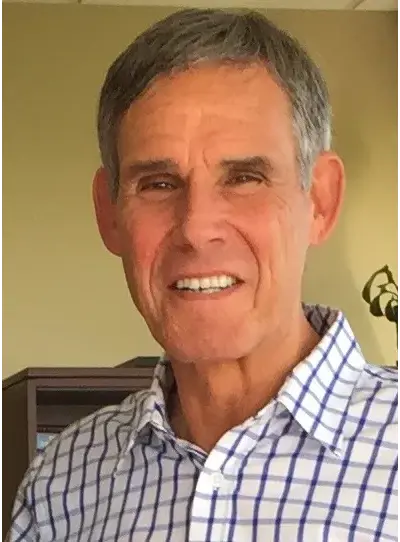
Eric Jeffrey Topol (born 1954) is an American cardiologist, scientist, and author. He is the founder and director of the Scripps Research Translational Institute, a professor of Molecular Medicine at The Scripps Research Institute, and a senior consultant at the Division of Cardiovascular Diseases at Scripps Clinic in La Jolla, California. He is editor-in-chief of Medscape and theheart.org. He has published three bestseller books on the future of medicine. The Creative Destruction of Medicine (2010), The Patient Will See You Now (2015), and Deep Medicine: How Artificial Intelligence Can Make Healthcare Human Again (2019). He was also commissioned by the UK 2018–2019 to lead planning for the National Health Service's future workforce, integrating genomics, digital medicine, and artificial intelligence.
