F. Sionil Jose Quotes
It was in the sugar hacienda in Negros, Panay and in Central Luzon where I saw the injustices heaped upon the sugar workers, particularly the sacadas, or seasonal workers.
José, F. Sionil. Termites in the Sala, Heroes in the Attic: Why We Are Poor. Solidaridad Publishing House, 2005.


Debs had unconstitutionally been arrested and jailed for opposing American entry into World War I. He was later pardoned by President Warren G. Harding.


At the time many workers lived in housing owned by their employer. When the Pullman company had a labor dispute, they not only locked the workers out of their jobs but evicted them from their meager housing.


Indian and Black slaves were outlawed very early in Connecticut, not on moral grounds of concern for the Indians and Blacks, but because of the negative effects on the white poor. Why would anyone pay the poor any more than the amortization costs of a slave? Therefore there was no way a poor white could make a living wage if slavery were to coexist.


In his economic view, managers, accountants, attorneys, owners, shareholders, landlords, were all supported by the workers who have to support themselves and all the others.


This quotation is noteworthy because it documents the mental breakdown that the great labor leader went through in his later years. He loved the workers and they loved hum. However, as he got older, he was more isolated with his personal staff and became paranoid—a problem that many highly charismatic leaders had towards the end of their careers.

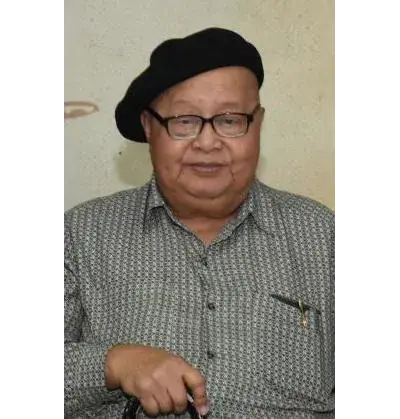
Francisco Sionil José is one of the most widely read Filipino writers in the English language. His novels and short stories depict the social underpinnings of class struggles and colonialism in Filipino society. José's works—written in English—have been translated into 28 languages, including Korean, Indonesian, Czech, Russian, Latvian, Ukrainian and Dutch.
