Clint Smith Quotes
It is easy not to support the death penalty when there is doubt about the culpability of the person sitting in the chair; it is harder to sustain such principles when the crime of the accused is morally indefensible.
Smith, Clint. "The Moral Failure of the Death Penalty." The New Republic, 2017.


Einstein had changed his mind. He like almost everyone else at the time favored the death penalty, but in 1927 came to the new conclusion for the same reasons that many American politicians stated 70 years later. He had no compunctions against capital punishment for murderers who were dangers to society, but the potential error of the justice system led him to oppose state sanctioned execution. At the time the number of errors in capital cases that had been demonstrated were few. But as a scientist, Einstein knew that all human endeavors were prone to error. He was a strong law and order supporter however—see {588606}.

Louis Eugene Walcott. Malcolm X had criticized Elijah Mohammed for sexual behavior with staff.


There was quite a bit of racism in the American West. Not the last sentence referring to the complexion of the defendant.


Nathaniel Gordon was the first American slave trader to be executed after the slave trade was made illegal. The Erie was his slave ship where, as was typical, many of the captured Blacks, died as a result of the inhuman conditions. Although Gordon was the first person executed in America, the act making the slave trade an act of piracy dated from 1820. See {68753} .

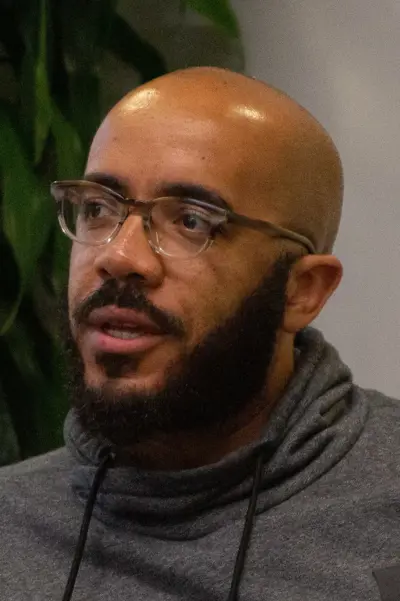
Clinton Smith III is an American writer, poet and scholar. He is the author of Counting Descent, a 2017 poetry collection that was a finalist for the NAACP Image Awards and won Best Poetry Book from the Black Caucus of the American Library Association. Smith is also a doctoral candidate at the Harvard Graduate School of Education. He is a regular contributor to the Pod Save the People podcast, where he discusses the week's news with a panel of other activists.
