Mario Vargas Llosa Quotes
Iraq is better without Saddam Hussein than with Saddam Hussein. Without a doubt.
Vargas Llosa, Mario. Interview. The New York Times, 2003.


With so many revolutionary rulers of new nations suppressing all opposition, the history of Ataturk and Turkey is unique. Ataturk was so popular and his People’s Party so successful that there was no opposition and Turkey had one party rule. However, Ataturk was determined to have Turkey become a parliamentary democracy as good as the Western nations of Europe. So a tradition of multi-party democracy was needed. So Ataturk actually went to his friend Fethi Okyar and asked him to start an opposition party and oppose the government. Fethi was a strong supporter of the revolution and generally was in concurrence with Ataturk and the People’s Party on everything. Ataturk however convinced him that they had to start a tradition that would take Turkey through the future, and he did create a new party-- Serbest Cumhuriyet Fırkası (Liberal Republican Party) and worked hard to find differences with the People’s Party and the Government. One immediate contribution was the oversight that the new party provided—a strong tradition that exists to this day in Turkey.


Rent Seeking: When a company, organization or individual uses their resources to obtain an economic gain from others without reciprocating any benefits back to society through wealth. Google Definition


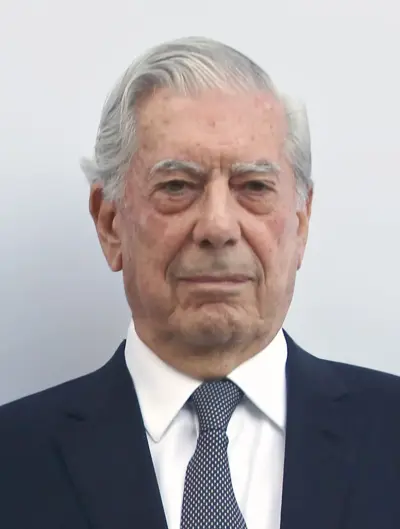
Jorge Mario Pedro Vargas Llosa, 1st Marquis of Vargas Llosa, more commonly known as Mario Vargas Llosa (/ˈvɑːrɡəs ˈjoʊsə/; Spanish: [ˈmaɾjo ˈbaɾɣas ˈʎosa]), is a Peruvian writer, journalist, essayist, college professor, and a former politician. Vargas Llosa is one of Latin America's most significant novelists and essayists, and one of the leading writers of his generation. Some critics consider him to have had a larger international impact and worldwide audience than any other writer of the Latin American Boom. In 2010 he won the Nobel Prize in Literature, "for his cartography of structures of power and his trenchant images of the individual's resistance, revolt, and defeat."
