Charles Peguy Quotes
Tyranny is always better organized than freedom.
Péguy, Charles. Basic Verities: Prose and Poetry. Translated by Ann and Julian Green, Pantheon Books, 1943, p. 133.


Urging a presidential veto of a tough ethics law prohibiting unethical behavior on the part of government officials:

Arguing the need to limit the power of the legislature:

At the time of this statement most people thought that Bush was joking. But by the end of his Presidency many looked back on the quote and thought that Bush had such preferences. He unilaterally took the country into the Iraq War and assumed Presidential Powers that no other president had ever attempted. Most serious, his administration actually took the formal legal position that the President did not have to obey the law if he unilaterally thought that it was not in the nation’s interest from the point of view of the Commander in Chief. So many debate whether this quotation was a light hearted joke of a harbinger of his real feelings about the Presidency.


Description of the Mexican Institutional Revolutionary Party (PRI) which ruled Mexico for 71 straight years.

Honore Gabriel Victor Requiti. The French King had just opened the French National Assembly which contained deputies (delegates) from the clergy, the nobility and the people. The King had made what some deputies thought was a very constructive and responsible speech opening the assembly. Mirabeau observed that as long as there was an absolute monarch in place, even a benign one. It was the presence of a monarch itself that was evil.


Bartolo was the most famous legal expert of his day and for many years thereafter as he died at the age of 44—the height of his career. In Italy, Spain and other nations of Europe there were statutes passed that said if there was no precedent in Roman Law, the writings of Bartolo should dictate the law.
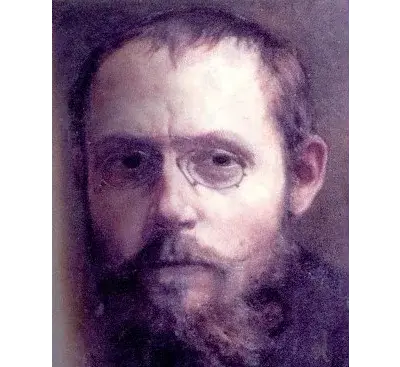
Charles Pierre Péguy was a noted French poet, essayist, and editor. His two main philosophies were socialism and nationalism, but by 1908 at the latest, after years of uneasy agnosticism, he had become a believing but non-practicing Roman Catholic. From that time, Catholicism strongly influenced his works.
