William O. Douglas Quotes
Inanimate objects are sometimes parties to litigation. A ship has a legal personality, a fiction found useful for maritime purposes. The corporation sole - a creature of ecclesiastical law - is an acceptable adversary, and large fortunes ride on its cases... So it should be as respects valleys, alpine meadows, rivers, lakes, estuaries, beaches, ridges, groves of trees, swampland, or even air that feels the destructive pressures of modern technology and modern life.
Douglas, William O. Dissenting opinion. Sierra Club v. Morton, 405 U.S. 727, Supreme Court of the US, 19 Apr. 1972, p. 742.


This is a fascinating quotation in that Cooper was a strong patriot of the American system. Today, this statement would be considered un-American and communistic. The notion that each person had a right to a share of land ownership. America changed in this respect. In Cooper’s day, there was so much land and so few people that it was part of the American concept that each man should have land. (Free men and not slaves of course). But as the population grew, speculators realized that there was opportunity and today in America ALL LAND is owned by people, corporations, other organizations and the government. The population is still growing and the potable water is in shorter and shorter supply. Already, we have to pay for water in much of the country. Perhaps in years to come, someone who argues that each person is entitled to clean air to breathe might be thought of as a radical communist.


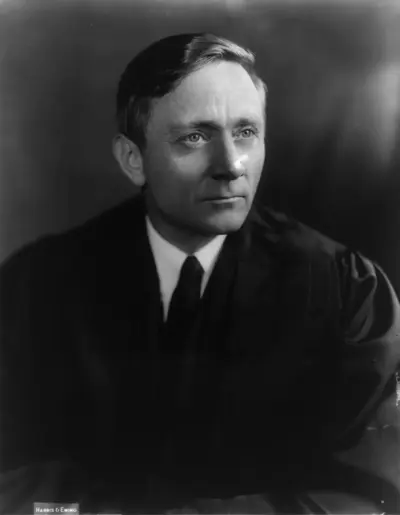
William Orville Douglas was an American jurist and politician who served as an associate justice of the Supreme Court of the United States. Nominated by President Franklin D. Roosevelt, Douglas was confirmed at the age of 40, one of the youngest justices appointed to the court. His term, lasting 36 years and 211 days (1939–75), is the longest in the history of the Supreme Court. In 1975, Time magazine called Douglas "the most doctrinaire and committed civil libertarian ever to sit on the court."
