Baruch Spinoza Quotes
In regard to intellect and true virtue, every nation is on a par with the rest, and God has not in these respects chosen one people rather than another.
Spinoza was one of the most feared intellectuals in human history—feared, that is, by the established power structures. Spinoza’s ideas were considered so radical and dangerous that he was the only man in history who was excommunicated by the Catholics, the Jews and the Muslims. This quotation in particular was not appreciated by Jews who according to the Bible, are God’s Chosen People.
Benedict Spinoza, 1632-1677, Dutch Philosopher, “Of the Vocation of the Hebrews, and Whether the Gift of Prophecy Was Peculiar to Them”, Theological-Political Treatise, 1670
Sourced by: Eigen's Political and Historical Quotations

This quotation many think is the greatest statement of political equality ever written. Interestingly is also lays an obligation on all people for all others. It was written by a privileged nobleman, a Baron, who was instrumental philosophically and politically in establishing the Batavia Republic in Holland.


Most politicians at the time agreed with this statement. In the next 25 years, the economic system grew less fair and when government officials tried to come up with remedies, they sublimated fairness, to economic recovery, and America went through a phase where fairness was far less important then it traditionally had been.

He would not allow himself to be buried in a cemetery that would not allow Blacks. He was laid to rest in Shreiner's Cemetery, one of the very few racially integrated cemeteries at the time.


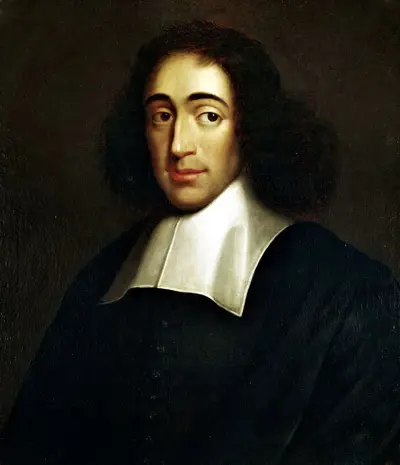
Baruch (de) Spinoza was a Dutch philosopher of Portuguese Sephardi origin. One of the early thinkers of the Enlightenment and modern biblical criticism, including modern conceptions of the self and the universe, he came to be considered one of the great rationalists of 17th-century philosophy. Inspired by the groundbreaking ideas of René Descartes, Spinoza became a leading philosophical figure of the Dutch Golden Age. Spinoza's given name, which means "Blessed", varies among different languages. In the Netherlands he used the Portuguese name Bento. In his Latin and Dutch works, he used Latin: Benedictus de Spinoza.
