Murray Bookchin Quotes
In our own time we have seen domination spread over the social landscape to a point where it is beyond all human control. Compared to this stupendous mobilization of materials, of wealth, of human intellect, of human labor for the single goal of domination, all other recent human achievements pale to almost trivial significance. Our art, science, medicine, literature, music and charitable acts seem like mere droppings from a table on which gory feasts on the spoils of conquest have engaged the attention of a system whose appetite for rule is utterly unrestrained.
Bookchin, Murray. The Ecology of Freedom: The Emergence and Dissolution of Hierarchy. Cheshire Books, 1982, p. 4.


As a result of the programs and philosophy he expounded, Leontiev joyously predicted:


He was tried and executed in secret in 1953.


At the time of this statement most people thought that Bush was joking. But by the end of his Presidency many looked back on the quote and thought that Bush had such preferences. He unilaterally took the country into the Iraq War and assumed Presidential Powers that no other president had ever attempted. Most serious, his administration actually took the formal legal position that the President did not have to obey the law if he unilaterally thought that it was not in the nation’s interest from the point of view of the Commander in Chief. So many debate whether this quotation was a light hearted joke of a harbinger of his real feelings about the Presidency.


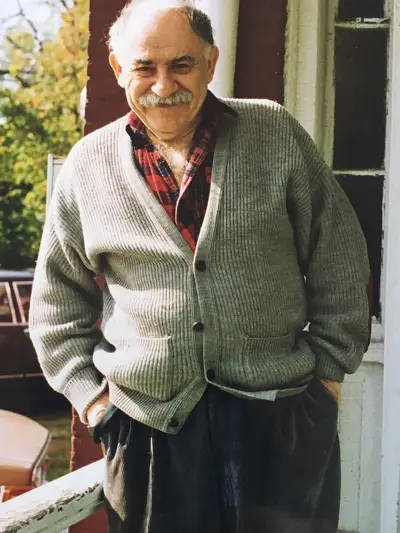
Murray Bookchin was an American anarchist, political philosopher, trade-union organizer, and educator. A pioneer in the environmental movement, Bookchin formulated and developed the theory of social ecology and urban planning, within anarchist, libertarian socialist, and ecological thought. He was the author of two dozen books covering topics in politics, philosophy, history, urban affairs, and social ecology. Among the most important were Our Synthetic Environment (1962), Post-Scarcity Anarchism (1971), The Ecology of Freedom (1982) and Urbanization Without Cities (1987). In the late 1990s, he became disenchanted with what he saw as an increasingly apolitical "lifestylism" of the contemporary anarchist movement, stopped referring to himself as an anarchist, and founded his own libertarian socialist ideology called communalism, which seeks to reconcile Marxist and anarchist thought.
