Ida B. Wells Quotes
In fact, for all kinds of offenses - and, for no offenses - from murders to misdemeanors, men and women are put to death without judge or jury; so that, although the political excuse was no longer necessary, the wholesale murder of human beings went on just the same.
Wells, Ida B. A Red Record: Tabulated Statistics and Alleged Causes of Lynching in the United States. Donohue & Henneberry, 1895, p. 11.


This is the earliest surviving attempt of the Romans to formulate a legal code.


The Senator was referring to the large number of people who had been exonerated by DNA evidence while on Death Row.

This is one of the sharpest dissents in Supreme Court history. Rarely to justices write opinions accusing other justices of a gross immorality or crime. The majority held that the Supreme Court should not grant a new trial simply because there was some evidence discovered showing him innocent. See {635412} for a quotation from the majority opinion.

Einstein had changed his mind. He like almost everyone else at the time favored the death penalty, but in 1927 came to the new conclusion for the same reasons that many American politicians stated 70 years later. He had no compunctions against capital punishment for murderers who were dangers to society, but the potential error of the justice system led him to oppose state sanctioned execution. At the time the number of errors in capital cases that had been demonstrated were few. But as a scientist, Einstein knew that all human endeavors were prone to error. He was a strong law and order supporter however—see {588606}.


Yuliy Osipovich Martov
The U.S. was at war with Spain and Filipino insurgents for the control of the Philippines. During this war there were a few senior U. S. Officers who in later times would have been tried and jailed for war crimes. The men under them were brutal and committed atrocities at their orders. See {615368}.

Chelsea Elizabeth Manning

It was common then for people to die in tenements as a result of shoddy construction, poisoning by sewer gas, and unsanitary conditions. As the result of the efforts of reformers like Riis and Theodore Roosevelt health inspectors were appointed and errant builders went to jail—in some cases for manslaughter.


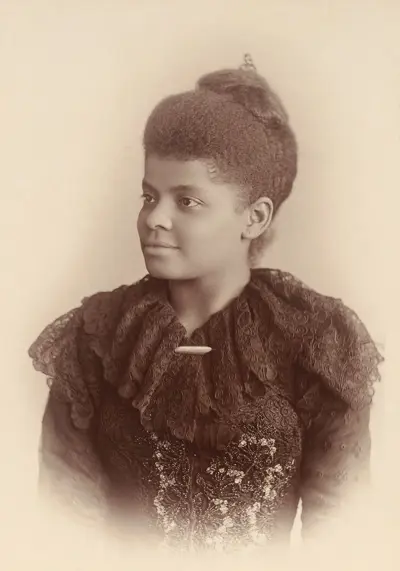
Ida Bell Wells-Barnett was an American investigative journalist, educator, and early leader in the civil rights movement. She was one of the founders of the National Association for the Advancement of Colored People (NAACP). Over the course of a lifetime dedicated to combating prejudice and violence, and the fight for African-American equality, especially that of women, Wells arguably became the most famous Black woman in America.
