Mark Zandi Quotes
In a forbearance, the homeowner pays interest and principal on a smaller mortgage, at least for a time, but still owes the full amount. The lower monthly payment helps with affordability, giving stressed homeowners a break.
Zandi, Mark. Financial Shock: A 360º Look at the Subprime Mortgage Implosion, and How to Avoid the Next Financial Crisis. FT Press, 2008.


The Brown family were very wealthy. John was involved in many speculative enterprises, owned slaves, and had been in the slave trade, and then it had been outlawed in large part by the efforts of his brother, Moses Brown who was a staunch abolitionist and an officer of the Rhode Island Abolition Society. The quotation is important because one theory is that the only reason that the slave trade became illegal was because it was not very profitable due to the high cost and loss ratio and the competition from slaves who were born of slave mothers. So the slave trade was outlawed but not slavery which was so profitable. However, this quotation illustrates how profitable the slave trade was and the early legislation was therefore motivated by ethical and moral concerns.

This is one of the earliest expositions of the legal and economic doctrine that if a borrower is made unable to pay the interest and principle of the loan by an act beyond anyone’s control. The obligation to pay for that year is cancelled. In modern times most cultures go the other way. When the banks caused the economic Meltdown of 2008, millions of Americans could not pay their loan obligations and mortgages. They received no relief whereas in the “primitive” world of 4,000 years ago they would have relief for that year. Note the subtle difference in Hammurabi {611462} where someone had prepaid and rented land for a year and the crop fails, and this situation where there is borrowed money.


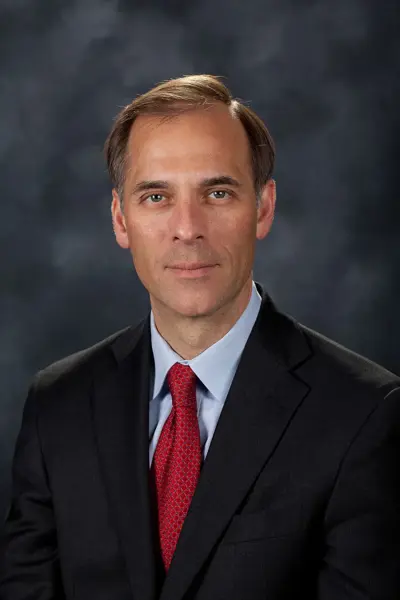
Mark M. Zandi is an American economist who is the chief economist of Moody's Analytics, where he directs economic research.
