James Wolfensohn Quotes
In a democracy, you can be right and still lose power.
Wolfensohn, James D. A Global Life: My Journey Among Rich and Poor, from Sydney to Wall Street to the World Bank. PublicAffairs, 2010.

This quotation illustrates the "winner take all" conceopt of many political cultures that call themselves and think of theselves as a democracy. But a true democracy does not allow a tyranny of the majority--especially a very narrow minority.


After the many years of the Cold War attacking of Democracy, for many Russians the word conveys a bad image of their old enemy. For others, using the word reminds them that the Soviet Union collapsed and the Russians lost the cold war—an unpleasant memory. Yet many of the leaders of the Russian Federation very much wanted to democratize Russia. Bushmin had this very practical, albeit humorous, solution.

A major problem of new and emerging democracies is that many people believe that majority rule per se is democracy. In Egypt for example, Morsi and his Muslim Brotherhood won the election. They then assumed that they had the right to do anything including exempting the government from judicial review or deciding the role of women in society or denying freedom of religion to non-Muslim citizens. Democracy is not a serial autocracy with each new autocrat being selected by a free and fair election.


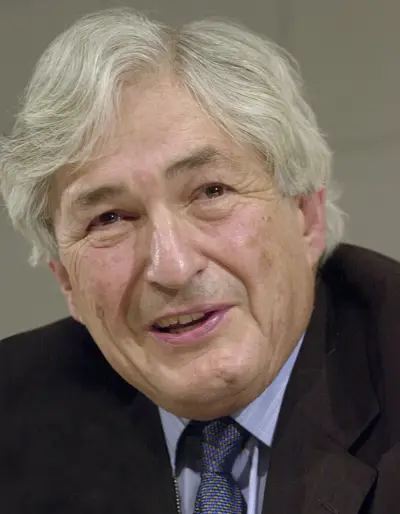
Sir James David Wolfensohn KBE AO was an Australian-American lawyer, investment banker, and economist who served as the ninth president of the World Bank Group (1995–2005). During his tenure at the World Bank, he is credited with the focus on poverty alleviation and a rethink on development financing, earning him recognition as a banker to the world's poor. In his other roles, he is credited with actions that brought Chrysler Corporation back from the brink of bankruptcy, and also improving the finances of major United States cultural institutions, including Carnegie Hall and the Kennedy Center. He served two terms as President of the World Bank on the nomination of U.S. President Bill Clinton, and thereafter held various positions with charitable organizations and policy think-tanks including the Brookings Institution.
