Ambrose Bierce Quotes
IMPALE, v.t. In popular usage, to pierce with any weapon which remains fixed in the wound . . . . properly, to put to death by thrusting an upright sharp stake into the body, the victim being left in a sitting position.
Bierce, Ambrose. The Devil's Dictionary. The Neale Publishing Company, 1911.

Recalling what the Oklahoma state medical examiner told him about electrocutions.


In the plot to assassinate Lincoln, Secretary of State William Henry Seward was attacked by knife but survived. Later he commended President Johnson for his veto message blocking harsh reconstruction measures supported by Garrison:


The king was found guilty and was decapitated, but not wearing a crown.

Plunckett was the last Roman Catholic martyr to be executed in Britain. He was accused of conspiring against the state by allegedly plotting to bring 20,000 French soldiers into the country, and for levying a tax on his clergy to support 70,000 men for rebellion. The English have always feared ever since Henry VIII severed England from the Roman Catholic Church, that the Papacy was plotting to restore Catholicism to England and sponsor an invasion of Ireland. And indeed that was true in several cases, but nowhere near as many as the English imagined. In this case, paranoia prevailed, and the trial was pretty much a farce, but he was convicted and sentenced to be hanged, drawn and quartered which he was.

The victim would be slowly cut 1000 times in ways to inflict more and more pain but not kill the victim rapidly.


He had witnessed thousands of Crucifixions and did not favor the method of execution.
See the related quotes for the "ancient views" to which her referred.
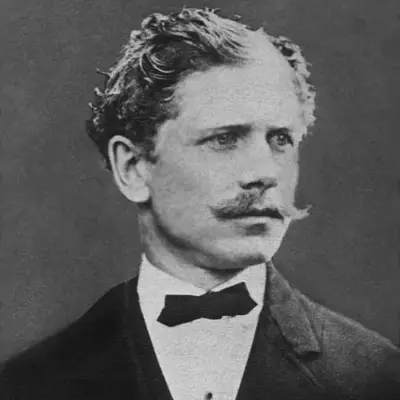
Ambrose Gwinnett Bierce was an American short story writer, journalist, poet, and Civil War veteran. His book The Devil's Dictionary was named as one of "The 100 Greatest Masterpieces of American Literature" by the American Revolution Bicentennial Administration. His story "An Occurrence at Owl Creek Bridge" has been described as "one of the most famous and frequently anthologized stories in American literature"; and his book Tales of Soldiers and Civilians (also published as In the Midst of Life) was named by the Grolier Club as one of the 100 most influential American books printed before 1900.
