John Doar Quotes
I'm not saying to you that every element of segregation and discrimination and second-class citizenship has changed. But in the political sense, the world has changed. People now who want to vote can vote.
Doar, John. Interview by Blackside, Inc. Eyes on the Prize: America's Civil Rights Years (1954-1965), 11 Nov. 1985, Washington University Libraries, Film and Media Archive.

After attending a Lincoln speech, Booth said to Lewis Powell, one of his band of conspirators, “Now, by God, I’ll put him through. That is the last speech he will ever make.”


The following year, women got the right to vote, the first nation to reach that level of enlightenment.


In the 1930s African Americans who traveled were subject to countless humiliations whenever the sought hotels, rooming houses, restaurants and other accommodations. Gas stations would not allow them to use bathrooms and they were reduced to using open fields. Traveling and vacationing was, for Blacks, humiliating. Wikipedia: “Green reviewed hotels and restaurants that did business with African Americans during the time of Jim Crow laws and racial segregation in the United States. He printed 15,000 copies each year. In the 1930s, Green began his work by compiling data on stores in the New York area that accepted black travelers, and published his first guide in 1936. Similar guides had been published for Jewish travelers, who sometimes faced discrimination. Green's guide was so popular that he immediately began to expand its coverage the next year to other US destinations, adding hotel and restaurants as well.”


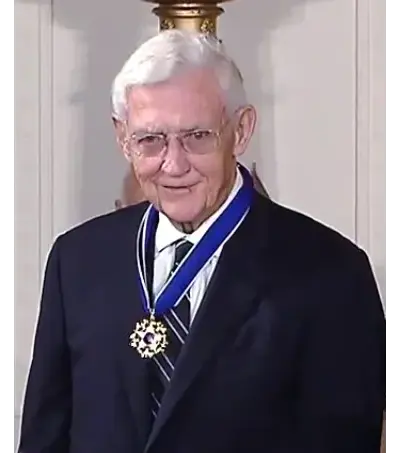
John Michael Doar was an American lawyer and senior counsel with the law firm Doar Rieck Kaley & Mack in New York City. During the administrations of presidents John F. Kennedy and Lyndon B. Johnson, he served first as Deputy Assistant Attorney General for Civil Rights from 1961 to 1965, and then as head of the division from 1965 until 1967. He led the government's response to events such as the admission and protection of James Meredith, the first black student admitted to the University of Mississippi, as well as the evolving response to the civil rights movement promoting integration and voter registration in the South. Additionally, in 1973–74, he served as the lead special counsel for the U.S. House Judiciary Committee's impeachment inquiry staff during the impeachment process against Richard Nixon.
