Tom Daschle Quotes
If you manage a grocery store, you pay 35 percent in taxes. If you manage a hedge fund, you only pay 15 percent.
The George W. Bush administration when they had a Republican-controlled Congress, had amended the tax laws to treat the earnings of the hedge fund managers differently from people who manage other enterprises in the nation. They gave a group of very wealthy managers whose earnings were already amongst the highest of any managers in the country a huge tax break, while little public attention was paid to the subtlety of complex tax laws. Daschle and others began to draw public attention to the inequity.
Tom Daschle, U. S. Senator (Democrat, SD), Senate Minority and Majority Leader, PBS, The Charlie Rose Show. August 6, 2007
Sourced by: Eigen's Political and Historical Quotations

This became known as the Buffet Principle—that the very rich should not pay a lower tax rate than the workers who make far less money than they do. President Barack Obama used this principle by name in calling for the 2011 Jobs Act which would eliminate some of the loopholes and exemptions by which the rich could avoid some or much or their tax obligation.


He turned out to be very wrong as there were a number of times in American history when there were tax rates in excess of 70 percent, and they were collected.

As a result of years of lobbying many vested interests were getting tax exemptions for their activities. Some of the richest corporations and people paid little or no taxes. This was like the old European monarchies where the dukes and nobles got tax exemptions from the king and the middle class and poor people paid a much larger percentage of their income and wealth than did the nobility. Fairness in taxation is very difficult in practice. See {633629}
At the time, he, th richest man in America was paying a lower ta rate than his secretary, his employees and the waiter who served him lunch. The “Buffet Rule” was developed and named for him that said that wealthy people should pay a minimum rate of taxation regardless of tax credits, deductions and other means of tax avoidance.


Throughout most of the world, the rich and the aristocrats have been able to reduce or eliminate their tax obligations with the burden falling more heavily on the common people. Progressive taxation was thought to be a solution, but even in the United States by the 21st century many huge corporations paid little or no taxes while there was a heavy tax burden on small companies. Rich people generally paid a smaller percentage of their income than middle class people.

Corporate and business taxes were anathema to Republicans in 1899 as they were a century later. Roosevelt shocked the Republican base with statements like this, and when he implemented them, he became the most popular politician in America—possibly even more so than George Washington.

Tax Evasion is a felony. Tax avoidance is using legal loopholes to avoid paying taxes. However, as Hightower points out, every time a wealthy individual or corporation legally avoids a tax, the burden to make up for the lost revenue falls on the Middle Class for whom there are few tax loopholes. Also, they cannot afford the high-priced lawyers and accountants to find the schemes to use.


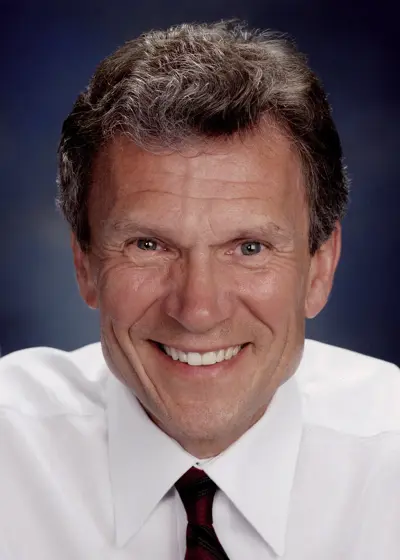
Thomas Andrew Daschle is an American politician and lobbyist who served as a United States senator from South Dakota from 1987 to 2005. A member of the Democratic Party, he became U.S. Senate Minority Leader in 1995 and later the Majority Leader in 2001.
