Nicholas M. Butler Quotes
If the minds of men can be turned even for a short time away from passion, race antagonism and from national aggrandizement to a contemplation of the individual and … to the shocking horrors which modern warfare entails, a step, and by no means a short one, will have been taken towards the substitution of justice for force in the settlement of institutional differences.
Nicholas M. Butler, 1862-1947, President, Columbia University, Nobel Laureate in Peace, Republican Party Leader, 1913
Sourced by: Eigen's Political and Historical Quotations


The Chancellor was referring to the United States George W. Bush proposal for war with Iraq.


Theodore Roosevelt was the Presidential nominee. Johnson was a leader of some members of Congress some of whom were extreme isolationists and some of whom were Nazi sympathizers and Hitler admirers. When the Japanese attacked Pearl Harbor later that year, Germany, fulfilling its treaty with Japan, declared war on America, Johnson’s group no longer mattered. Before WWII most Republicans were opposed to Defense Spending and accused the Democrats of being war hawks. After WWII, they flip flopped and became more hawkish than the Democrats who they accused of being soft on defense for years thereafter. See {631380} for President Roosevelt’s different view.


His appeal was also in the name of concurring heads of state of Finland, Holland, Denmark, Norway, Luxemburg, and Sweden.


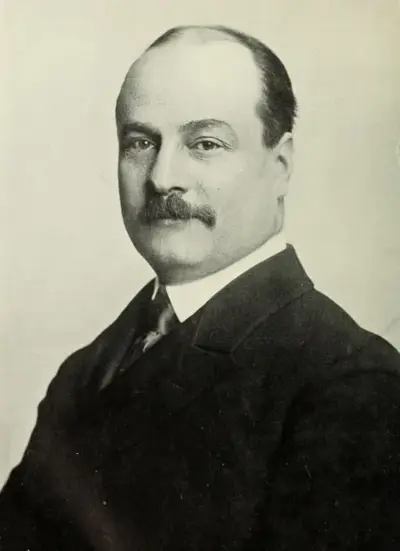
Nicholas Murray Butler was an American philosopher, diplomat, and educator. Butler was president of Columbia University, president of the Carnegie Endowment for International Peace, a recipient of the Nobel Peace Prize, and William Howard Taft's running mate in the 1912 United States presidential election. He became so well known and respected that The New York Times printed his Christmas greeting to the nation every year.
