James Woods Quotes
If General Motors can't survive and run their business like a business, let them go under.


Evans had been earlier earning $46 an hour plus benefits. Her employer replaced her with a programmer in India who earned $10 with no benefits.

He had already decided to save General Motors which was much larger and more critical to the national economy. The normal capitalistic broken down and there were no private firms that were willing to invest, control and continue the companies at any price. There were 1 million immediate jobs at stake with GM plus the collapse of the American Auto Industry including dealers and suppliers. With Chrysler, there were only 300,000 immediate jobs at stake. Ironically, one of the major reasons for trying to save both companies was the fact that Summers team had discovered that the companies were very badly managed. If the bailout could be leveraged to force radical management change and reform, the chances of success would have been much greater than if the companies had been well managed but were still losing money rapidly. The policy decision was brilliantly successful. The reformed auto companies quickly became profitable, and the taxpayer loans were paid back early with interest to and profits to the taxpayers. All those jobs and an iconic American industry not only were preserved but became very profitable and strong and in the final analysis, it did not cost the taxpayers even one dollar. Ford was in less trouble, but if the other two companies failed, the Ford suppliers would mostly fail, and Ford also would have gone down.


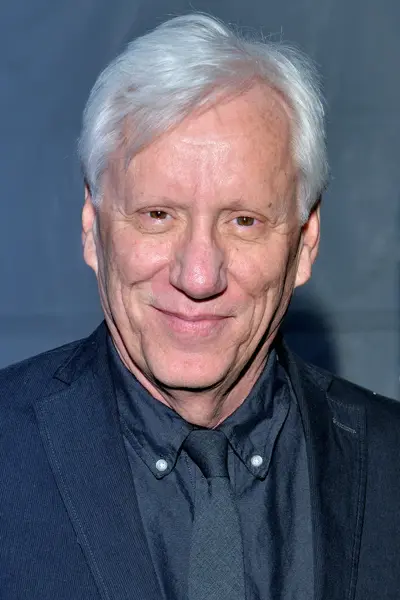
James Howard Woods is an American actor and producer who is known for his work in theater, television, and film. He started his career in minor roles on and off-Broadway. In 1972 he appeared in The Trial of the Catonsville Nine alongside Sam Waterston and Michael Moriarty on Broadway. In 1972 he won the Theatre World Award for his performance in Moonchildren. In 1978, Woods made his television breakthrough alongside Meryl Streep playing her husband in the critically acclaimed four-part miniseries Holocaust. The series went on to receive the Primetime Emmy Award for Outstanding Limited Series. In 1972, Woods made his film debut in Elia Kazan's The Visitors and continued to act on film in supporting roles in Sydney Pollack's The Way We Were (1973), and Arthur Penn's Night Moves (1975).
