Charles Weltner Quotes
I would urge that we at home now move on to the unfinished task of building a new South. We must not forever by bound to another lost cause.
He then changed his vote to Aye and made this statement. He was the only Southerner in Congress to do so or to urge cooperation with the new law. The result was there was a New South but it took over 50 years because of the obstruction of the segregationists.
Charles Weltner, 1927–1992, U. S. Congressman (Democrat, GA), House Speech after the Civil Rights Bill had been passed over his and other Southerners objections July 2, 1964
Sourced by: Eigen's Political and Historical Quotations

Weltner was the only Georgia politician who urged state compliance with the Federal Civil Rights Law of 1964. (See {637605}.) The others advocated disobedience, crime, and obstruction, particularly the Democratic Party Candidate for Governor Lester Maddox who also advocated racial violence and had a history of it himself. Weltner refused to support Maddox, and the Democratic Party then instituted a loyalty oath for all party candidates where they promised to support and campaign for all party candidates on the ticket. Welter refused to sign the oath and support Maddox, and therefore gave up the Democratic nomination which at the time virtually guaranteed a win. (Soon after, the segregationist politicians of the South accepted the Republican invitation to switch parties and since then the remaining racists and anti-civil rights politicians run as Republicans.


In the middle of WWII where Black soldiers were fighting and dying on the war front, there were fears of racists that the Blacks would return and demand full equality and an end to segregation. There were threats in the South of armed attacks against any returning serviceman who would push for desegregation.


She campaigned alone traveling throughout the South by train. She argued for change regarding civil rights. No First Lady had ever campaigned alone before, including Eleanor Roosevelt.


Arkansas Governor Faubus ordered the national guard to prevent Black students from integrating Central High School in Little Rock. President Eisenhower was a man of action and not rhetoric and his lack of firm public statements overlooked an opportunity to use the Presidential “bully pulpit” and exercise his moral leadership and authority. Armstrong was irate at Eisenhower for appearing to do nothing and say nothing. See {615852}. When Eisenhower did enforce the court order and used Federal troops, Armstrong sent him this congratulatory telegram. His reference to walking into the schools was in support of many who suggested that the best thing the President could have done was to personally take one of the Black students by the hand and walk into the school with him or her. With the mood of the Southern racists, such an act was potentially very risky for the President and it is not known whether of not the President and his staff ever considered such an act.


Rustin urged them to accept a compromise what would give them the majority of everything that they were demanding but not all. See {637623} for Moses’ counter-argument.


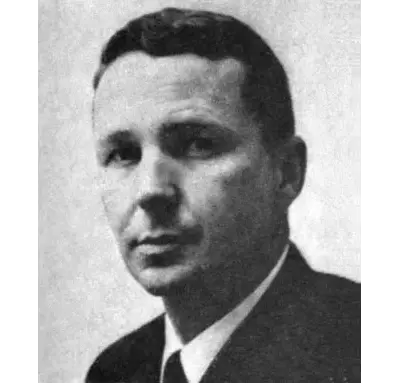
- Born: December 17, 1927
- Died: August 31, 1992
- Nationality:
- Profession:
Charles Longstreet Weltner was an American jurist and politician from the U.S. state of Georgia.
