Sarah Moore Grimke Quotes
I want my sex to claim nothing from their brethren but what their brethren may justly claim from them.
She was opposed to women accepting so called chivalrous behavior by men. Many women were reluctant to give up the few advantages that they did have.
Sarah Moore Grimke, 1792-1873, Abolitionist & Feminist, Letter, October 20, 1837
Sourced by: Eigen's Political and Historical Quotations


Her plane and she were never found.


SNCC had been formed to promote equality, but race and class were the issues, not gender. Many of the women left SNCC and proceeded separately to start a women’s movement.

He was one of those arguing for tha nation to award every American 15 pounds upon reaxhing the age of 18, This would allow the young man (it is not clear that this applied to females as well) to buy a basic start in life. A houirse, a gun, and the ability to buy a small plot of land. The proposal got lost in the events of the Revolution. The ancient middle age Jews had a custom whereby when a young man reached the age of 13, and could demonstrate that he was literate, and familiar with the Torah (1st 5 Books of the Old Testament which was for them the "law", he would be given gifts by his relatives and often the comminithy or congregation as a whole, so taht he had the wherewithall to start an adult life. Many of the founding fathers were very familiar with the Ancient Jewish Republic and some adopted a version of this.]


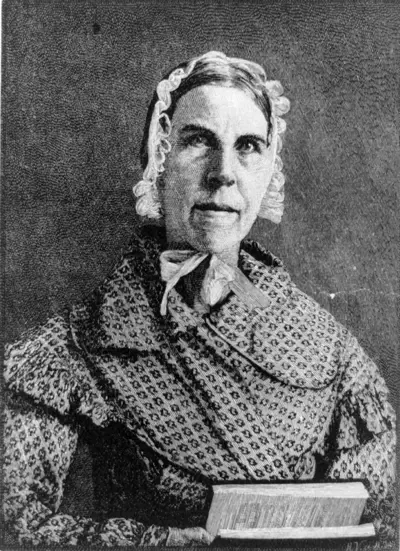
Sarah Moore Grimké was an American abolitionist, widely held to be the mother of the women's suffrage movement.:xxi Born and reared in South Carolina to a prominent, wealthy planter family, she moved to Philadelphia, Pennsylvania, in the 1820s and became a Quaker, as did her younger sister Angelina. The sisters began to speak on the abolitionist lecture circuit, joining a tradition of women who had been speaking in public on political issues since colonial days, including Susanna Wright, Hannah Griffitts, Susan B. Anthony, Elizabeth Cady Stanton, and Anna Dickinson. They recounted their knowledge of slavery firsthand, urged abolition, and also became activists for women's rights.
